Emergency Dentist Jersey Shore: 24-Hour Dental Care When You Need It Most
When dental pain strikes in the middle of the night or your tooth gets knocked out during a weekend beach volleyball game, you need to know that emergency dental care is available on the Jersey Shore. Whether you’re a local resident in Ocean County or Monmouth County, or a visitor enjoying your shore vacation, dental emergencies don’t wait for convenient business hours.
Emergency dental care encompasses immediate treatment for severe tooth pain, dental trauma, infections, and other urgent oral health situations that require prompt attention to prevent permanent damage or serious complications. The Jersey Shore area offers several after-hours dental options, from emergency dental clinics to on-call dentist services, ensuring you can get the urgent care you need when traditional dental offices are closed.
At Premier Dental Associates, we understand that dental emergencies create anxiety and discomfort. Our emergency dental services provide same-day appointments and after-hours care to address your urgent dental needs quickly and effectively.
What Qualifies as a True Dental Emergency?
Not every dental issue requires immediate emergency treatment, and understanding the difference can save you time, money, and unnecessary stress. True dental emergencies involve severe pain, potential permanent damage, or situations where delayed treatment could lead to serious complications.
Dental Emergencies That Require Immediate Care
Knocked-out permanent tooth represents the most time-sensitive dental emergency. You have approximately 30-60 minutes to save the tooth if handled properly. Adult teeth can often be successfully replanted when emergency care is sought immediately.
Severe, uncontrolled tooth pain that prevents sleep, eating, or normal activities indicates a serious infection or nerve damage requiring urgent intervention. This intense, throbbing pain often signals an abscess or advanced decay that needs immediate treatment.
Facial swelling, especially around the jaw or eyes, suggests a serious dental infection that could spread to other parts of your body. Combined with fever, difficulty swallowing, or trouble breathing, this becomes a medical emergency requiring immediate hospital care.
Uncontrolled bleeding from the mouth following dental trauma or oral surgery needs emergency attention. While minor bleeding is normal after some procedures, continuous heavy bleeding indicates complications requiring professional intervention.
Jaw injury or suspected fracture from sports accidents, falls, or other trauma requires immediate emergency care. Jaw injuries can affect your ability to eat, speak, and breathe properly.
Dental Issues That Can Wait Until Morning
Minor toothache or sensitivity that responds to over-the-counter pain medication typically doesn’t require emergency treatment. While uncomfortable, these issues can usually wait for a regular dental appointment within a day or two.
Small chips or cracks without pain rarely constitute emergencies unless they create sharp edges that cut your tongue or cheeks. Most cosmetic dental damage can wait for normal business hours.
Lost fillings or crowns cause discomfort but rarely require emergency care unless accompanied by severe pain. Temporary dental cement from pharmacies can provide relief until you can see your dentist.
Mild gum irritation or minor canker sores generally resolve with home care and don’t require urgent professional treatment unless they prevent eating or drinking.
Immediate Steps to Take Before Reaching an Emergency Dentist
Taking appropriate first aid measures can significantly impact the outcome of your dental emergency. These steps help manage pain, prevent further damage, and preserve your chances of successful treatment.
First Aid for a Knocked-Out Tooth
Time is absolutely critical when dealing with a knocked-out permanent tooth. Handle the tooth only by the crown (the white part you normally see), never touch the root, as this can damage cells necessary for reattachment.
Gently rinse the tooth with milk or saliva if it’s dirty, but don’t scrub or remove any tissue fragments. If possible, try to gently place the tooth back in its socket and hold it there with gauze or a washcloth.
If you cannot replant the tooth, store it properly by placing it in a container of cold milk, your saliva, or saline solution. Never use water, as this can damage the root cells. Get to an emergency dentist within 30-60 minutes for the best chance of saving the tooth.
Managing Severe Tooth Pain at Night
Apply a cold compress to the outside of your cheek for 15-20 minutes at a time to reduce swelling and numb pain. Never apply heat to a dental infection, as this can worsen swelling and spread bacteria.
Take over-the-counter pain medication as directed on the package. Ibuprofen (Advil) works particularly well for dental pain because it reduces inflammation. Never place aspirin directly on your gums, as this can burn the tissue.
Rinse gently with warm salt water (1/2 teaspoon salt in 8 ounces warm water) to help reduce bacteria and provide mild pain relief. Avoid very hot or cold foods and beverages that can trigger additional pain.
Sleep with your head elevated using extra pillows to reduce blood flow to the affected area and minimize throbbing pain.
Finding Emergency Dental Care on the Jersey Shore
The Jersey Shore offers several options for after-hours dental care, from Point Pleasant and Toms River to Brick and surrounding Ocean County areas. Understanding your options helps you make the best decision for your specific emergency situation.
Many dental practices in the Jersey Shore area provide emergency contact numbers for urgent situations. Some dentists offer on-call services where you can reach them directly for phone consultations and emergency appointments. During the busy summer tourist season, several practices extend their hours or provide weekend availability to serve both residents and vacationers.
24-Hour Emergency Dentists vs Hospital Emergency Rooms
Choose an emergency dentist for tooth-specific problems like severe toothaches, knocked-out teeth, broken dental work, or dental infections without systemic symptoms. Emergency dentists have the specialized equipment and expertise to provide definitive dental treatment immediately.
Go to the hospital emergency room for facial trauma with suspected jaw fractures, dental infections with fever and facial swelling, uncontrolled bleeding that won’t stop, or difficulty breathing or swallowing related to dental issues. However, understand that emergency rooms typically provide only temporary pain relief and antibiotics – they cannot perform most dental procedures like root canals or tooth repairs.
The American Dental Association emphasizes that emergency rooms can stabilize dental emergencies but cannot provide comprehensive dental treatment. You’ll likely need follow-up care with a dentist even after ER treatment.
Weekend and After-Hours Dental Clinics
Several dental practices throughout Ocean County and Monmouth County offer extended hours during weekends and evenings. Some operate on an appointment basis, while others accept walk-in emergency patients during designated hours.
Many emergency dental clinics provide same-day treatment for urgent situations, including emergency extractions, temporary repairs, and pain management. Call ahead when possible to confirm availability and reduce waiting time, especially during peak summer months when Jersey Shore populations swell with tourists.
What to Expect During an Emergency Dental Visit
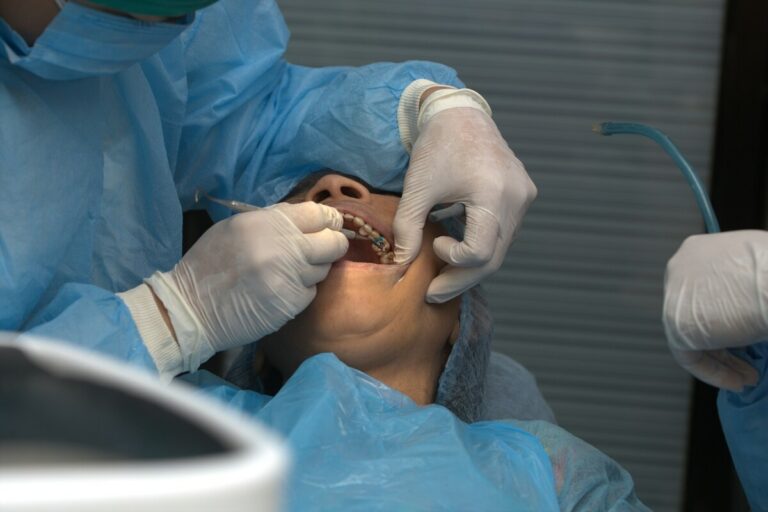
Emergency dental visits prioritize pain relief and immediate stabilization of your condition. Your emergency dentist will quickly assess your situation, provide appropriate pain management, and develop a treatment plan that may include both immediate care and follow-up appointments.
The triage process begins with questions about your pain level, symptoms, and how the emergency occurred. Your dentist will examine the affected area and may take X-rays to fully understand the extent of damage or infection.
Pain relief comes first in most emergency situations. Your dentist may provide prescription pain medication, antibiotics for infections, or perform procedures like draining an abscess to provide immediate comfort.
Emergency Dental Procedures and Treatments
Emergency extractions remove severely damaged or infected teeth that cannot be saved. While dentists prefer to preserve natural teeth when possible, extraction sometimes provides the fastest pain relief and prevents spread of infection.
Emergency root canals can often be performed immediately to save infected teeth. This procedure removes infected tissue from inside the tooth, providing significant pain relief while preserving the natural tooth structure.
Temporary repairs for broken teeth, lost fillings, or damaged dental work provide immediate protection and comfort until permanent restorations can be completed. These temporary solutions allow you to eat and function normally.
At Premier Dental Associates, we’re equipped to handle most emergency dental situations immediately, providing both pain relief and definitive treatment when possible.
Emergency Dental Care Costs and Insurance Coverage
Emergency dental care typically costs more than routine dental treatment due to after-hours availability and the urgent nature of services. However, delaying treatment for true emergencies often leads to more extensive and expensive procedures later.
Most dental insurance plans cover emergency care, though you may face higher copays for after-hours treatment. Emergency visits usually range from $200-$600 depending on the complexity of treatment required, with additional costs for procedures like extractions or root canals.
Many emergency dentists understand that dental emergencies create unexpected financial strain and work with patients to develop manageable payment solutions.
Payment Options for Emergency Dental Care
Dental insurance typically covers emergency care at similar rates to regular treatment, though some plans require pre-authorization for major procedures. Bring your insurance cards and identification to expedite the billing process.
Payment plans through services like CareCredit offer financing options for emergency dental care, often with promotional interest-free periods. Many dental offices can help you apply for healthcare credit during your emergency visit.
Cash discounts are sometimes available for patients paying immediately, though this varies by practice. Don’t let financial concerns prevent you from seeking emergency care – most dentists will work with you to find affordable payment solutions.
The Centers for Disease Control and Prevention reports that emergency dental conditions account for over 2 million emergency room visits annually, many of which could be more effectively and affordably treated by emergency dentists.
Preventing Dental Emergencies Before They Happen
While accidents happen, many dental emergencies can be prevented through protective measures and good oral hygiene habits. Understanding common causes helps you avoid emergency situations.
Wear protective mouthguards during sports activities, especially contact sports popular at Jersey Shore beaches and recreational areas. Custom-fitted mouthguards from your dentist provide the best protection, though over-the-counter options offer some benefit.
Avoid chewing on hard objects like ice, popcorn kernels, or using your teeth as tools to open packages. These habits commonly cause tooth fractures and chips.
Maintain regular dental checkups to identify and treat problems before they become emergencies. Small cavities are much easier and less expensive to treat than the abscesses and severe infections that develop from untreated decay.
Address dental pain promptly rather than hoping it will resolve on its own. Minor dental problems rarely improve without treatment and often progress to emergency situations.
Common Questions About Emergency Dental Care
Understanding emergency dental care helps you make informed decisions during stressful situations. These frequently asked questions address the most common concerns about urgent dental treatment.
Should I Go to the ER or Emergency Dentist for Tooth Pain?
Choose an emergency dentist for severe tooth pain, broken teeth, lost dental work, or dental infections without systemic symptoms. Dentists have the specialized training and equipment to provide definitive treatment for dental emergencies.
Go to the emergency room if you experience facial swelling that affects your eyes or breathing, fever with dental pain, difficulty swallowing, or trauma involving possible jaw fractures. Emergency rooms excel at treating life-threatening complications but cannot provide most dental procedures.
When in doubt, call your emergency dentist first – they can guide you to appropriate care based on your specific symptoms.
Can I Get Emergency Dental Care Without Insurance?
Yes, emergency dental care is available regardless of insurance status. Dental emergencies require immediate treatment, and no reputable emergency dentist will turn away patients based on insurance coverage or ability to pay immediately.
Payment plans and financing options help make emergency care affordable. Many practices offer payment plans, accept healthcare credit cards like CareCredit, or provide discounts for cash payments.
Tourist and visitor emergency care is readily available throughout the Jersey Shore area. Bring identification and any insurance cards you have, but don’t let lack of local insurance prevent you from seeking necessary treatment.
Get Emergency Dental Care When You Need It Most
Dental emergencies cause pain, anxiety, and disruption to your life, but prompt professional treatment can resolve most urgent dental situations quickly and effectively. Whether you’re dealing with severe tooth pain, dental trauma, or urgent complications, emergency dental care provides the immediate relief and treatment you need.
At Premier Dental Associates, we understand that dental emergencies don’t follow convenient schedules. Our experienced emergency dental team provides compassionate, skilled care when you need it most, with same-day appointments and after-hours availability for urgent situations. We accept most insurance plans and offer flexible payment options to ensure that financial concerns don’t prevent you from getting necessary emergency treatment. Call us for immediate emergency dental care, or contact us through our emergency dental form for urgent situations requiring prompt attention.