Preparing Your Child for Their First Dental Visit in Astoria, NY
Taking your child to the dentist for the first time can feel overwhelming for both parents and little ones. The good news? With proper preparation, you can turn this milestone into a positive experience that sets the foundation for lifelong dental health. Most children should visit a pediatric dentist by their first birthday or within six months of their first tooth appearing, according to the American Academy of Pediatric Dentistry.
In Astoria, NY, families have access to excellent pediatric dental care that specializes in making children feel comfortable and safe. The key to success lies in age-appropriate preparation, understanding what to expect, and choosing the right dental practice for your family’s needs. When children are properly prepared for their dental visit, they’re more likely to develop positive associations with dental care that last into adulthood.
Early dental visits aren’t just about checking for cavities – they establish a “dental home” where your child can grow comfortable with routine care, receive important preventive treatments, and learn healthy habits that will serve them throughout their lives.
When Should Your Child First Visit the Dentist?
Your child should have their first dental visit by age one or within six months after their first tooth erupts. This early timeline might surprise parents who assume dental visits can wait until more teeth appear, but there are compelling reasons for this recommendation.
The American Academy of Pediatric Dentistry established this guideline because early visits create numerous benefits beyond just checking tiny teeth. These initial appointments allow pediatric dentists to monitor proper jaw and tooth development, identify potential issues before they become problems, and most importantly, help your child become familiar with the dental office environment.
The First Tooth Milestone
When that first little tooth pokes through your baby’s gums – usually around 6 months of age – it’s time to start thinking about dental care. This milestone signals that your child’s oral development is progressing normally and that bacteria can now begin affecting their teeth.
Even with just one or two teeth, babies can develop tooth decay if proper care isn’t established. Early decay in baby teeth can affect speech development, nutrition, and the positioning of permanent teeth that come later.
Why Early Visits Matter for Development
Early dental visits serve multiple developmental purposes that extend far beyond cavity prevention:
- Establishing comfort with medical environments helps reduce anxiety in healthcare settings
- Monitoring jaw and facial development ensures proper growth patterns
- Identifying tongue-tie or other oral function issues that might affect speech or feeding
- Teaching proper hygiene techniques appropriate for your child’s developmental stage
- Creating positive associations with dental care that last into adulthood
At our practice, we see how these early visits help children view dental care as a normal, non-threatening part of staying healthy.
How to Prepare Your Child Before the Dental Visit
Preparation is everything when it comes to your child’s first dental experience. The right approach depends heavily on your child’s age, personality, and communication level, but some universal strategies work well for most families.
Start talking about the upcoming visit several days in advance, but not so far ahead that your child forgets or builds up anxiety. For toddlers, 2-3 days is usually perfect. For older preschoolers, a week gives them time to process and ask questions.
Age-Appropriate Communication Strategies
For infants and toddlers (6 months to 2 years): Keep explanations simple and positive. Use phrases like “The dentist will count your teeth” or “We’re going to make sure your teeth are healthy and strong.” Read books about dental visits together, focusing on pictures and simple concepts.
For preschoolers (3-5 years): You can provide more detail while still keeping things positive. Explain that the dentist is a “tooth doctor” who helps keep teeth clean and healthy. Avoid scary words like “shot,” “pain,” or “hurt.” Instead, use gentle terms like “the dentist will take pictures of your teeth” for X-rays or “polish your teeth to make them sparkle.”
For school-age children (6+ years): Older children can understand more about dental health and why visits are important. You can discuss cavity prevention, proper brushing techniques, and how regular checkups help maintain oral health.
Practice Activities to Reduce Anxiety
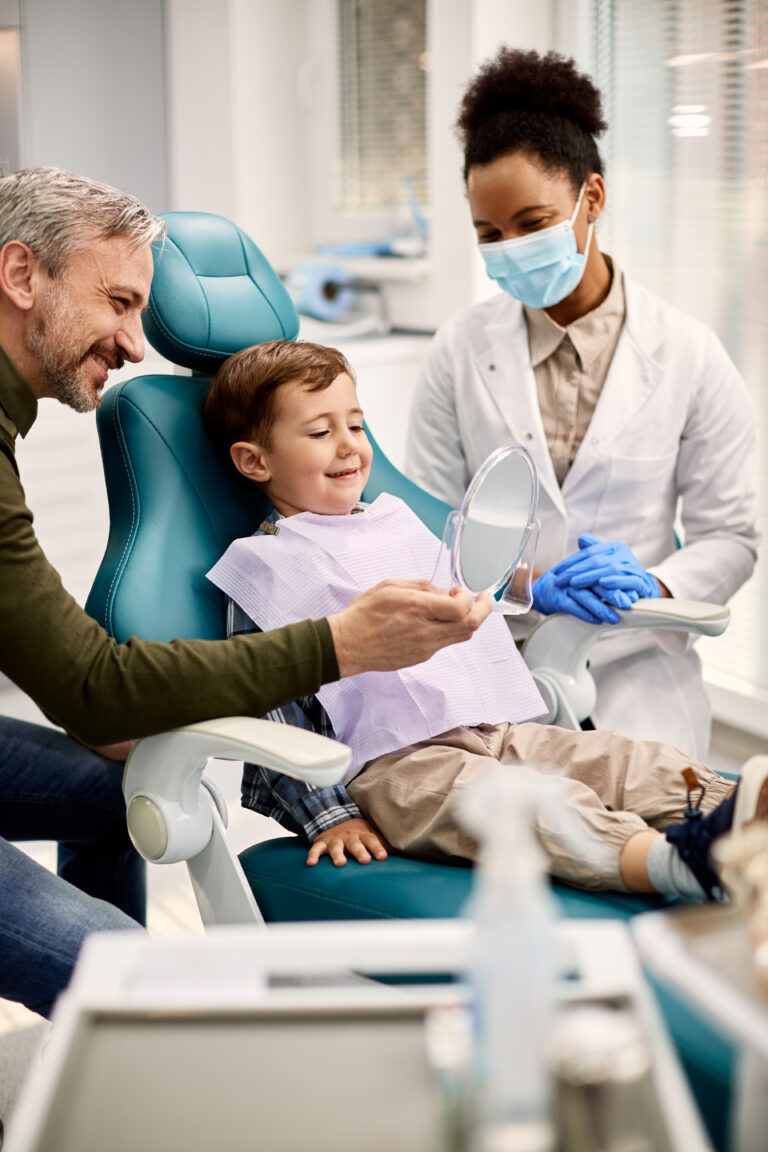
Role-playing at home is one of the most effective ways to prepare children for dental visits. Set up a pretend dental office using a regular chair and let your child practice being both the patient and the dentist. Use a small mirror to look at teeth, count teeth together, and practice opening wide.
Playing “dentist” with stuffed animals or dolls helps children feel more in control of the situation. Let them be the dentist examining their toy’s teeth, which builds familiarity with the process and reduces fear of the unknown.
Many families find success with dental-themed books and videos designed for children. These resources introduce dental office equipment and procedures in non-threatening, often entertaining ways.
Managing Dental Anxiety in Young Children
Even with excellent preparation, some children experience anxiety about dental visits. Understanding that this is completely normal helps you respond with patience and effective strategies.
Research shows that children most commonly worry about needles, fear of the dentist as a person, and potential pain. The good news is that first dental visits rarely involve any procedures that cause discomfort – they’re primarily educational and get-acquainted appointments.
Common Childhood Dental Fears
Different age groups tend to have different concerns about dental visits:
- Toddlers often fear separation from parents and unfamiliar environments
- Preschoolers may worry about loud sounds, bright lights, or strangers touching their mouth
- School-age children sometimes develop fears based on stories they’ve heard from friends or siblings
Understanding your child’s specific concerns helps you address them directly rather than offering generic reassurance.
Proven Calming Techniques
Deep breathing exercises work well for children as young as 3 years old. Practice “smelling flowers” (inhaling slowly) and “blowing out birthday candles” (exhaling slowly) at home, then use this technique at the dental office.
Comfort items like a favorite stuffed animal or blanket can provide emotional security during the visit. Most pediatric dental offices welcome these items and understand their importance.
Many successful dental practices use distraction techniques like ceiling-mounted televisions, music, or interactive games to keep children’s minds occupied during examinations.
What to Pack for Your Child’s Dental Appointment
Being well-prepared for your appointment helps everything go smoothly and reduces stress for both you and your child. Create a simple checklist to ensure you don’t forget important items.
Required Documents and Medical Information
Bring your insurance cards, a list of any medications your child takes, and any relevant medical history. If your child has special needs, allergies, or medical conditions, having this information readily available helps the dental team provide the best possible care.
A completed medical history form saves time during check-in and ensures the dental team has all necessary information about your child’s health status.
Comfort Items That Make a Difference
Pack a favorite small toy, stuffed animal, or comfort object that your child can hold during the appointment. These familiar items provide emotional security in an unfamiliar environment.
Bring a healthy snack for after the appointment, especially if your visit is scheduled during typical meal or snack times. Choose foods that won’t stick to teeth, like cheese sticks or apple slices.
Choosing the Right Pediatric Dentist in Astoria
Astoria offers several excellent options for pediatric dental care, each with unique strengths and approaches to treating young patients. The right choice depends on your family’s specific needs, location preferences, and your child’s personality.
Top Pediatric Dental Practices in Astoria
Astoria’s pediatric dental landscape includes specialized practices like PCO Pediatric Dentistry & Orthodontics, which focuses exclusively on children’s dental needs, and comprehensive family practices that treat patients of all ages in the same location.
ProHEALTH Dental and Rainbow Dental both offer pediatric services with kid-friendly environments, while practices like Astoria City Dental and ED Family Dental provide convenient family-centered care where siblings and parents can receive treatment from the same practice.
What to Look for in a Kid-Friendly Dental Office
The physical environment speaks volumes about a practice’s commitment to pediatric care. Look for colorful, welcoming waiting areas with age-appropriate books, toys, and activities. Child-sized furniture and cheerful décor help children feel the space was designed with them in mind.
Staff training in pediatric care makes a significant difference in your child’s experience. Dental hygienists and assistants who specialize in working with children understand developmental stages, appropriate communication techniques, and effective behavior management strategies.
Modern equipment designed for smaller mouths ensures more comfortable examinations and procedures. Digital X-ray systems reduce radiation exposure and provide instant results, while smaller dental instruments are less intimidating for young patients.
What to Expect During Your Child’s First Dental Visit
First dental visits focus on getting acquainted, establishing comfort, and providing education rather than extensive treatment. Understanding the typical flow helps set appropriate expectations for both you and your child.
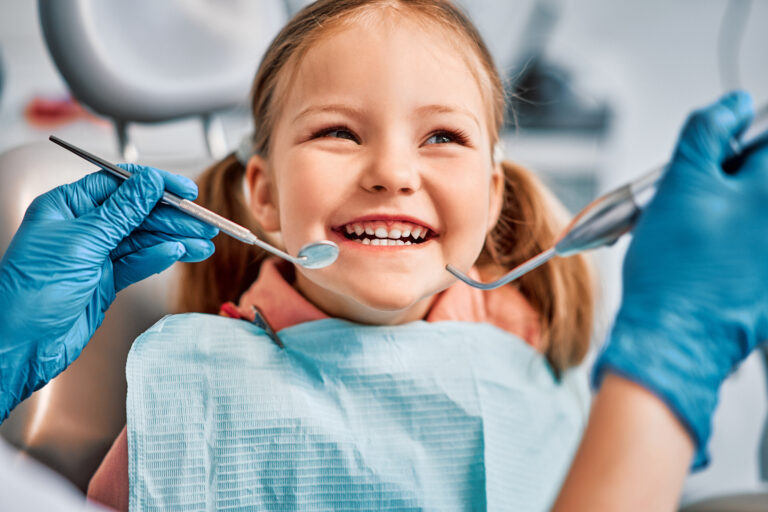
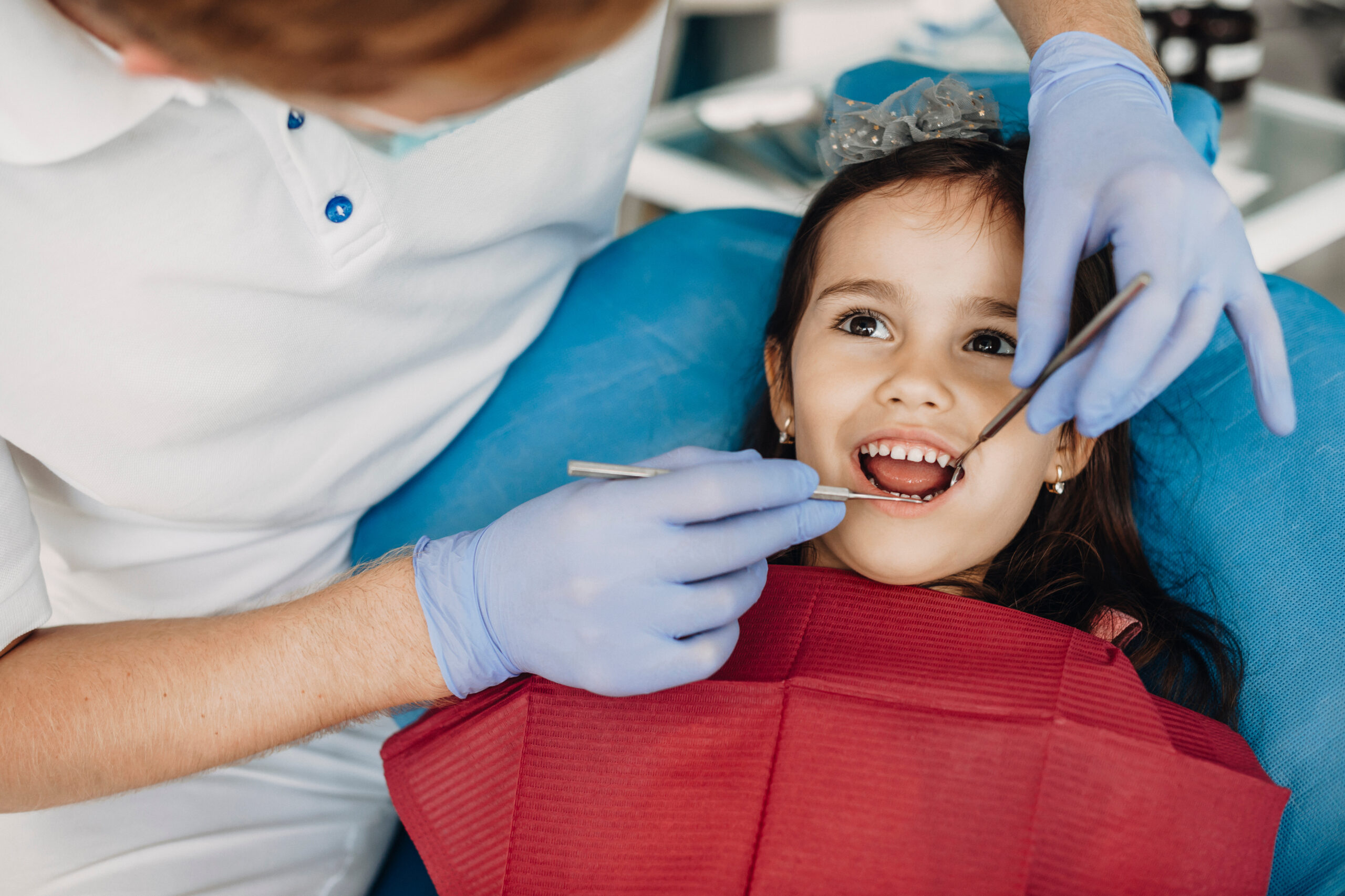
Most first appointments last 30-45 minutes and begin with a tour of the dental office. Your child might sit in the dental chair to get familiar with how it moves, see how the overhead light works, and explore some of the instruments in a non-threatening way.
The Initial Examination Process
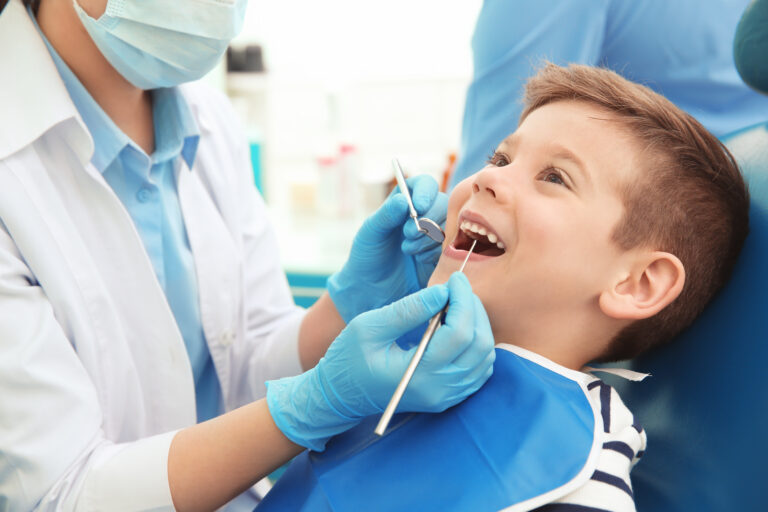
The actual examination is typically very gentle and brief for first-time patients. The dentist will:
- Count your child’s teeth and check for proper eruption patterns
- Look for early signs of decay or developmental issues
- Examine gums and soft tissues for health
- Assess bite alignment and jaw development
- Discuss any concerns you might have about your child’s oral development
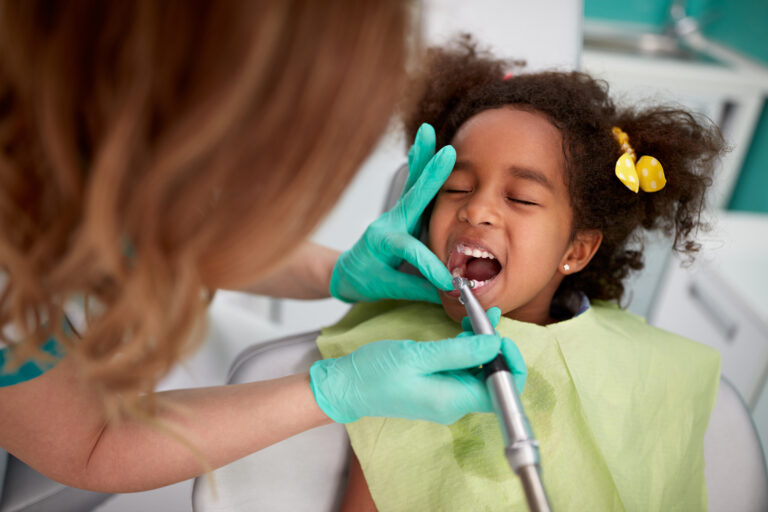
Many first visits include a gentle cleaning with a soft brush or rubber cup, introducing your child to the sensation of professional dental cleaning in a positive way.
Educational Components and Parent Guidance
First visits include significant parent education about proper home care techniques, dietary recommendations, and developmental expectations. The dental team will demonstrate proper brushing techniques for your child’s age and development level.
Nutritional guidance focuses on protecting developing teeth from harmful sugars and acids while ensuring adequate nutrition for proper growth. Many parents learn about the timing of meals and snacks, appropriate beverages, and foods that naturally help clean teeth.
Creating Positive Dental Experiences for Life
The goal of early dental visits extends far beyond addressing immediate oral health needs – they establish patterns and attitudes that influence your child’s relationship with dental care throughout their lifetime.
Consistency in dental care providers helps build trust and familiarity. When children see the same dental team regularly, they develop relationships that make future visits more comfortable and enjoyable.
Building Healthy Dental Habits at Home
Daily oral care routines established early become lifelong habits that protect dental health. For young children, this means:
- Brushing twice daily with age-appropriate fluoride toothpaste
- Learning proper brushing technique through demonstration and practice
- Understanding the importance of cleaning all tooth surfaces
- Developing a bedtime routine that prioritizes oral hygiene
As children grow, their home care routines can expand to include flossing, mouth rinsing, and more independent responsibility for their oral health.
Scheduling Follow-Up Visits in Astoria
Regular dental visits every six months help maintain the positive relationship your child develops with their dental team. These routine appointments allow for early detection of potential issues, continued education about oral health, and reinforcement of good habits.
At our practice, we work with Astoria families to schedule appointments at convenient times that work with school and activity schedules. Consistent appointment times help establish dental visits as a normal part of healthcare routine rather than something that only happens when problems arise.
Expert Pediatric Dental Care in Astoria
Preparing your child for their first dental visit sets the foundation for a lifetime of positive dental experiences and excellent oral health. With proper preparation, age-appropriate communication, and the right dental team, you can help your child develop confidence and comfort with dental care that will serve them well into adulthood.
The key is starting early, maintaining consistency, and choosing a dental practice that truly understands children’s unique needs and developmental stages. When children feel safe, understood, and respected during dental visits, they’re much more likely to maintain regular dental care throughout their lives and develop the healthy habits that prevent serious dental problems.
If you’re ready to schedule your child’s first dental visit or want to learn more about our approach to pediatric dentistry, we’re here to help. Our experienced team specializes in making dental visits comfortable and positive for children of all ages, and we’re proud to serve families throughout Astoria and Queens. Call us to schedule your child’s appointment today.