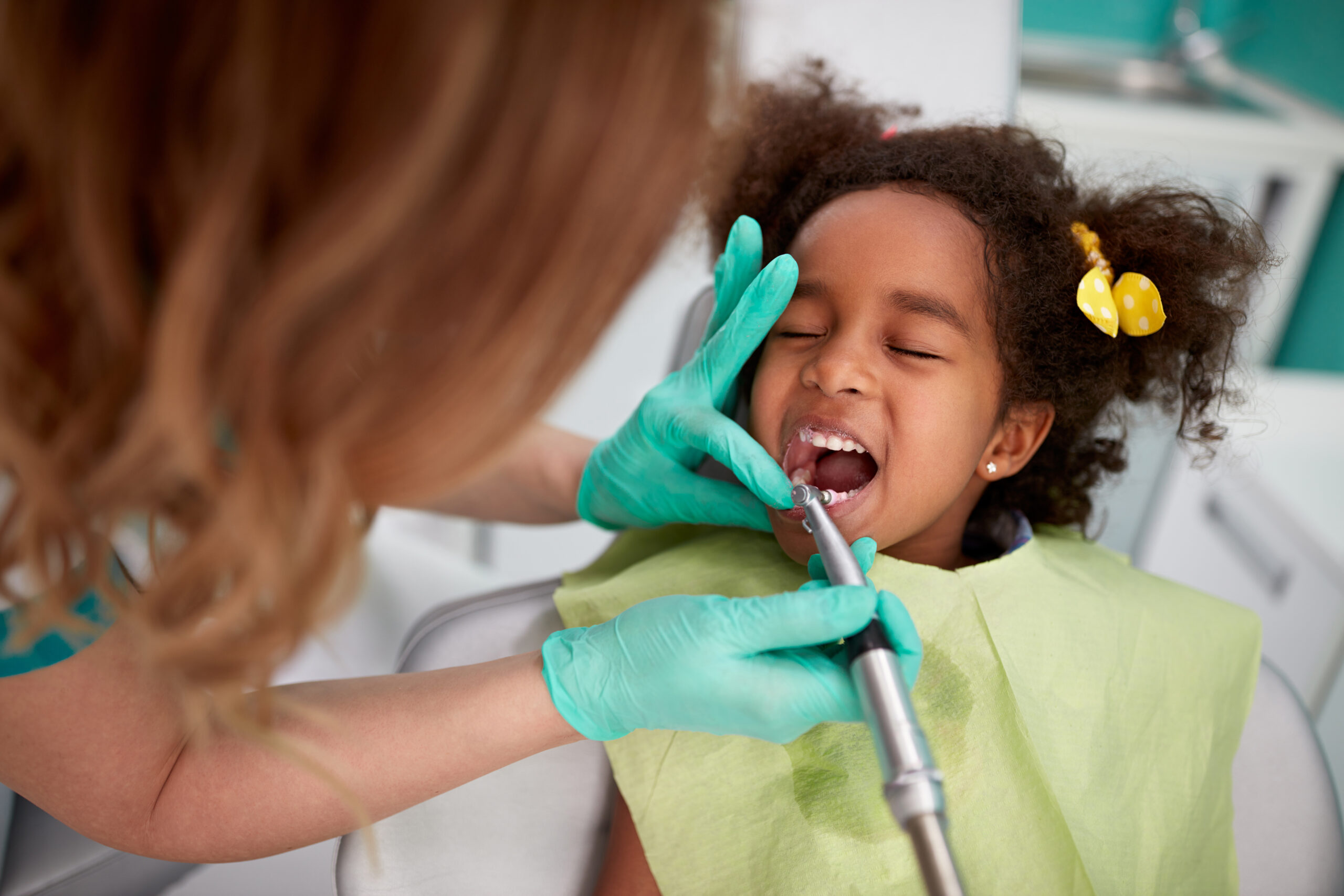
Pediatric Dental Emergency Manhattan: Expert Emergency Care for Children’s Urgent Dental Needs
When your child experiences a dental emergency in Manhattan, every minute counts. A pediatric dental emergency can range from a knocked-out tooth during a playground accident to severe tooth pain that strikes at midnight. Unlike adults, children’s developing teeth and jaws require specialized emergency care that addresses both immediate pain relief and long-term dental health. In Manhattan’s fast-paced environment, knowing exactly when to seek immediate care and where to find expert pediatric emergency dentists can make the difference between saving a tooth and facing complex future treatments.
At pediatric dental practices throughout Manhattan, emergency protocols are specifically designed for children’s unique needs. From the Upper East Side to the Financial District, specialized pediatric emergency dentists understand that a child’s dental emergency often involves more than just the injured tooth—it affects the entire family’s well-being and requires gentle, expert care that minimizes trauma while providing effective treatment.
What Constitutes a True Pediatric Dental Emergency?
Understanding the difference between a true dental emergency and a situation that can wait until morning helps parents make informed decisions during stressful moments. Not every dental incident requires immediate emergency care, but recognizing genuine emergencies ensures your child receives timely treatment that can prevent complications or permanent damage.
Emergency Symptoms Requiring Immediate Care
Several situations demand immediate attention from an emergency pediatric dentist. Severe, uncontrollable tooth pain that interferes with eating, sleeping, or normal activities indicates potential infection or nerve damage requiring urgent intervention. Knocked-out permanent teeth represent true emergencies where timing directly impacts successful reimplantation—the sooner professional care begins, the better the chances of saving the tooth.
Facial swelling, especially when accompanied by fever, suggests serious infection that could spread to other areas if left untreated. Uncontrolled bleeding from the mouth, whether from trauma or tooth extraction complications, requires immediate professional attention. Broken or fractured teeth with exposed nerves cause excruciating pain and need emergency treatment to prevent infection and preserve the tooth structure.
Large tooth abscesses present as painful swellings near the tooth root and can quickly become dangerous if bacteria spread through the bloodstream. Any dental trauma involving loss of consciousness, difficulty swallowing, or breathing problems requires emergency room care followed by specialized dental treatment.
Non-Emergency Situations That Can Wait
Many concerning dental situations, while uncomfortable, can safely wait for a regular appointment during business hours. Mild to moderate toothaches that respond to over-the-counter pain medication typically don’t require emergency care, though they should be examined within a day or two.
Small chips or cracks in teeth without pain or sharp edges can wait for regular treatment, especially if they don’t affect eating or sleeping. Lost fillings or crowns rarely constitute emergencies unless accompanied by severe pain—temporary dental cement from pharmacies can provide protection until regular appointment availability.
Gum irritation from braces or appliances, while uncomfortable, usually resolves with orthodontic wax and can wait for adjustment during regular hours. Food stuck between teeth that doesn’t cause severe pain can typically be addressed with gentle flossing and doesn’t require emergency intervention.
Essential First Aid for Common Pediatric Dental Emergencies
Knowing proper first aid procedures for dental emergencies helps parents provide effective immediate care while arranging professional treatment. These initial steps can significantly impact treatment outcomes and help manage your child’s pain and anxiety during stressful situations.
Knocked-Out Tooth Emergency Protocol
When a permanent tooth gets knocked out, immediate action dramatically improves chances of successful reimplantation. Handle the tooth only by the crown (the white part you normally see), never touching the root. If the tooth is dirty, gently rinse it with milk or clean water for no more than 10 seconds—avoid scrubbing or using soap.
For permanent teeth, attempt to reinsert the tooth into its socket if possible, having your child bite gently on clean gauze to hold it in place. If reinsertion isn’t possible, store the tooth in a container of milk, or have your child hold it in their mouth next to their cheek. Contact an emergency pediatric dentist immediately—ideally within 30 minutes for best results.
For baby teeth that are knocked out, do not attempt reinsertion as this could damage developing permanent teeth underneath. Simply comfort your child, control any bleeding with clean gauze, and schedule a regular dental appointment to ensure proper healing and monitor permanent tooth development.
Severe Toothache and Pain Management
When children experience severe tooth pain, proper pain management helps maintain comfort while seeking professional care. Give age-appropriate doses of children’s acetaminophen or ibuprofen according to package directions, never exceeding recommended amounts. Ibuprofen often works better for dental pain due to its anti-inflammatory properties.
Apply cold compresses to the outside of the face for 15-20 minutes to reduce swelling and numb pain. Avoid placing ice directly on skin—wrap it in a thin towel. Never apply heat to dental pain, as this can worsen inflammation and increase discomfort.
Rinse gently with warm salt water (1/2 teaspoon salt in 8 ounces warm water) to help reduce bacteria and provide mild pain relief. Avoid giving aspirin to children under 18, and never place pain medication directly on the tooth or gums, as this can cause chemical burns.
Broken or Chipped Tooth Immediate Care
When a tooth breaks or chips, immediate assessment and care help prevent further damage and manage discomfort. Examine the mouth carefully for tooth fragments, which should be saved and brought to the emergency appointment. Rinse your child’s mouth gently with warm water to remove debris and blood.
For minor chips without pain, smooth any sharp edges with a clean emery board if they’re irritating the tongue or cheek. Cover larger breaks with dental wax or sugar-free gum temporarily to protect soft tissues until professional treatment.
Control bleeding by having your child bite on clean gauze or a damp tea bag for 10-15 minutes. If significant pain occurs, follow the pain management protocol above and contact an emergency pediatric dentist promptly to prevent complications.
When to Visit the Emergency Room vs Emergency Pediatric Dentist
During dental emergencies, choosing the right type of emergency care ensures your child receives appropriate treatment efficiently. While emergency rooms can address certain urgent situations, pediatric emergency dentists provide specialized care for most dental-related problems.
Emergency Room Situations
Certain situations require hospital emergency room care before or instead of dental treatment. Severe facial trauma involving potential jaw fractures, eye injuries, or head injuries needs immediate medical evaluation to rule out serious complications beyond dental damage.
Uncontrolled bleeding that doesn’t respond to direct pressure after 15-20 minutes may require medical intervention and suturing. Signs of serious infection including high fever, difficulty swallowing, or facial swelling that affects breathing demand immediate medical attention.
Any dental emergency involving loss of consciousness, suspected concussion, or other serious injuries requires emergency room evaluation. Hospital emergency departments can provide IV antibiotics, pain management, and medical stabilization before definitive dental treatment.
Pediatric Emergency Dentist Situations
Most dental emergencies receive optimal care from specialized emergency pediatric dentists who have specific training, equipment, and experience with children’s unique needs. Knocked-out teeth, severe toothaches, dental abscesses, and broken teeth typically require specialized dental intervention that emergency rooms cannot provide.
Emergency pediatric dentists maintain specialized equipment for tooth reimplantation, root canal therapy, and other procedures that preserve children’s teeth. They also understand child psychology and pain management techniques that help minimize trauma during emergency treatment. At many Manhattan pediatric dental practices, emergency protocols ensure rapid response times and immediate availability for urgent situations.
Finding Emergency Pediatric Dental Care in Manhattan
Manhattan offers numerous options for emergency pediatric dental care, though knowing how to access these services quickly during a crisis makes all the difference. Understanding available resources and contact procedures helps parents navigate emergency situations efficiently.
24-Hour Emergency Pediatric Dentists in Manhattan
Several Manhattan pediatric dental practices provide true 24-hour emergency coverage through on-call systems and emergency hotlines. These services typically involve calling the main office number where an automated system connects you to the emergency dentist on duty.
Emergency response times in Manhattan generally range from 30 minutes to 2 hours depending on the severity of the situation and current caseload. Many practices prioritize knocked-out teeth and severe pain cases for immediate attention. Some larger pediatric dental groups maintain emergency treatment facilities specifically equipped for after-hours care.
After-Hours and Weekend Emergency Options
When regular pediatric dental offices are closed, Manhattan parents have several emergency care options. Many pediatric dental practices maintain emergency hotlines that connect families with on-call dentists who can provide telephone guidance and arrange urgent treatment.
Hospital emergency departments throughout Manhattan can address severe infections, uncontrolled bleeding, and trauma-related injuries, though they typically provide stabilization rather than definitive dental treatment. Urgent care centers with dental capability can handle some emergency situations and provide pain management until specialized care becomes available.
Transportation and Accessibility Considerations
Manhattan’s excellent public transportation system provides access to emergency dental care from any neighborhood, though having a planned route during emergencies reduces stress and delays. Taxi and rideshare services offer direct transportation that’s often fastest during off-peak hours.
Parking availability near emergency dental facilities varies by neighborhood—Midtown and Financial District locations may require parking garages, while Upper East Side practices often have better street parking access. Consider transportation logistics when selecting emergency dental providers, especially during late-night or weekend emergencies.
What to Expect During a Pediatric Dental Emergency Visit
Preparing for an emergency dental visit helps reduce anxiety and ensures efficient treatment. Understanding typical procedures and having necessary items ready streamlines the process and allows dentists to focus on providing optimal care for your child.
What to Bring to Your Emergency Appointment
Insurance cards and identification for both parent and child are essential for treatment authorization and billing. Medical history information including current medications, allergies, and previous dental treatments helps emergency dentists provide safe, appropriate care.
Any knocked-out teeth or tooth fragments should be brought in appropriate storage (milk or saline solution). Recent dental X-rays if available can provide valuable information about tooth structure and previous treatments. Comfort items like favorite stuffed animals or blankets help children feel more secure during treatment.
Pain Management and Anxiety Reduction
Emergency pediatric dentists use specialized techniques to help children cope with pain and anxiety during urgent treatment. Child-friendly explanations of procedures, distraction techniques, and gentle communication help minimize psychological trauma during emergency care.
Sedation options may be available for extensive emergency procedures, though these depend on the child’s age, medical history, and procedure complexity. Topical anesthetics and local anesthesia provide effective pain control for most emergency treatments while allowing children to remain conscious and cooperative.
Cost and Insurance Considerations for Emergency Pediatric Dental Care
Emergency dental treatment costs vary significantly based on procedure complexity and timing. Understanding typical expenses and insurance coverage helps families prepare financially for unexpected dental emergencies.
Emergency Treatment Costs in Manhattan
Simple emergency visits for consultation and pain medication typically range from $150-$300. Tooth reimplantation procedures for knocked-out permanent teeth can cost $400-$800, while emergency root canal therapy ranges from $600-$1,200 depending on tooth location and complexity.
After-hours premium charges often add 25-50% to standard treatment fees, reflecting the convenience and specialized availability of emergency care. Complex trauma treatment involving multiple teeth or extensive restoration work can reach several thousand dollars, though most emergency treatments focus on immediate stabilization rather than comprehensive restoration.
Insurance Coverage for Emergency Dental Care
Most dental insurance plans cover emergency treatment at the same rate as regular care, typically 60-80% of usual and customary fees after deductible requirements. Medical insurance may cover emergency room visits for dental trauma, though definitive dental treatment typically falls under dental coverage.
Payment plans and financing options are often available for extensive emergency treatments, allowing families to manage unexpected expenses over time. Many Manhattan pediatric dental practices accept multiple insurance plans and provide cost estimates before beginning non-urgent aspects of emergency treatment.
Preventing Common Pediatric Dental Emergencies
While not all dental emergencies can be prevented, proactive measures significantly reduce the likelihood of common injuries and urgent situations. At our practice, we recommend focusing on sports safety, home environments, and regular preventive care to minimize emergency risks.
Sports and Activity Safety Measures
Custom-fitted mouthguards provide superior protection compared to over-the-counter options, especially for contact sports like hockey, soccer, and basketball. These properly fitted appliances absorb impact forces and distribute them away from teeth and supporting structures.
Activity-specific precautions help prevent common injuries—encouraging children to avoid chewing on hard objects during sports, teaching proper techniques for activities involving potential facial contact, and ensuring appropriate supervision during playground activities.
Home Safety and Emergency Preparedness
Child-proofing measures like covering sharp furniture corners, securing loose rugs, and maintaining clear walkways reduce fall-related dental injuries. Creating an emergency dental kit with contact information for emergency dentists, pain medication appropriate for your child’s age, and tooth preservation supplies helps parents respond effectively during crises.
Regular dental check-ups identify potential problems before they become emergencies—catching cavities early prevents painful abscesses, while monitoring tooth development can predict and prevent some traumatic injuries through preventive treatments like sealants and fluoride applications.
Expert Emergency Pediatric Dental Care When You Need It Most
Pediatric dental emergencies require immediate, specialized attention that addresses both urgent treatment needs and children’s unique emotional requirements. Understanding when to seek emergency care, what first aid steps to take, and how to access Manhattan’s excellent pediatric emergency dental services empowers parents to handle crises confidently while ensuring optimal outcomes for their children’s dental health.
When dental emergencies strike your family, you need experienced professionals who combine technical expertise with compassionate care designed specifically for children. Our emergency pediatric dental services provide immediate relief and expert treatment throughout Manhattan, with convenient access from every neighborhood and rapid response protocols that prioritize your child’s comfort and successful treatment outcomes. Contact our emergency hotline or visit our online emergency contact form for immediate assistance when your child needs urgent dental care.