
What to Do About Common Dental Implant Complications
According to the American Dental Association’s 2023 clinical outcomes data, dental implants boast a 95% success rate over ten years — yet when complications do occur, they often catch patients completely off guard. As implant placement has become increasingly routine, with over 3 million Americans receiving implants annually, the focus has shifted from simply achieving osseointegration to understanding and preventing the subset of cases where things go wrong.
The stakes are higher than most people realize. Unlike natural teeth, which have built-in warning systems through nerve sensitivity, implants can develop serious problems that progress silently for months. A loose abutment screw might feel like minor discomfort until the crown falls out during dinner. Peri-implantitis — essentially gum disease around the implant — can destroy supporting bone without the acute pain that typically drives someone to seek immediate care.
For the estimated 300,000 patients who experience some form of implant complication each year, understanding what can go wrong and recognizing early warning signs makes the difference between a minor adjustment and losing the implant entirely. The key lies not just in knowing what complications look like, but in grasping why they develop in the first place.
How Do Dental Implant Complications Develop?
Dental implant failure rarely happens overnight — it’s typically the result of biological and mechanical processes that unfold over weeks or months. Understanding these underlying mechanisms helps explain why some implants that seemed perfectly placed during surgery can still develop problems later.
The most critical process is osseointegration, where bone cells grow directly onto the implant surface to create a stable foundation. When this fails, it’s often because the healing environment became compromised. Excessive force during the initial healing period can create micro-movements that prevent proper bone bonding. Even something as simple as chewing on hard foods too early can disrupt the delicate process of new bone formation around the titanium surface.
Bacterial contamination represents another major pathway to complications. Unlike natural tooth roots, which are surrounded by a periodontal ligament that helps fight infection, implants rely entirely on the surrounding gum tissue for protection. When bacteria penetrate this seal — often through poor oral hygiene or trauma — they can establish colonies directly on the implant surface. These bacterial biofilms are notoriously difficult to remove and can trigger an inflammatory response that gradually destroys the supporting bone.
Biomechanical stress also plays a crucial role in implant complications. Natural teeth can move slightly within their sockets to absorb chewing forces, but implants are rigidly fused to bone. When bite forces aren’t properly distributed — due to poor crown design, teeth grinding, or changes in the opposing teeth — the implant experiences concentrated stress that can lead to screw loosening, fracture, or even bone loss around the implant neck.
The immune system’s response adds another layer of complexity. While titanium is considered biocompatible, individual immune reactions can vary. Some patients develop heightened inflammatory responses that interfere with healing or maintain chronic low-level inflammation around the implant site, setting the stage for long-term complications.
What Are the Most Common Dental Implant Complications?
Peri-implantitis tops the list of implant complications, affecting roughly 10-15% of implants according to recent periodontal research. This condition mirrors gum disease around natural teeth but progresses more rapidly and aggressively around implants. The telltale signs include bleeding when brushing around the implant, gum recession that exposes the implant threads, and a persistent metallic taste. Unlike gingivitis around natural teeth, peri-implantitis often causes minimal discomfort in its early stages, allowing significant bone loss to occur before patients notice symptoms.
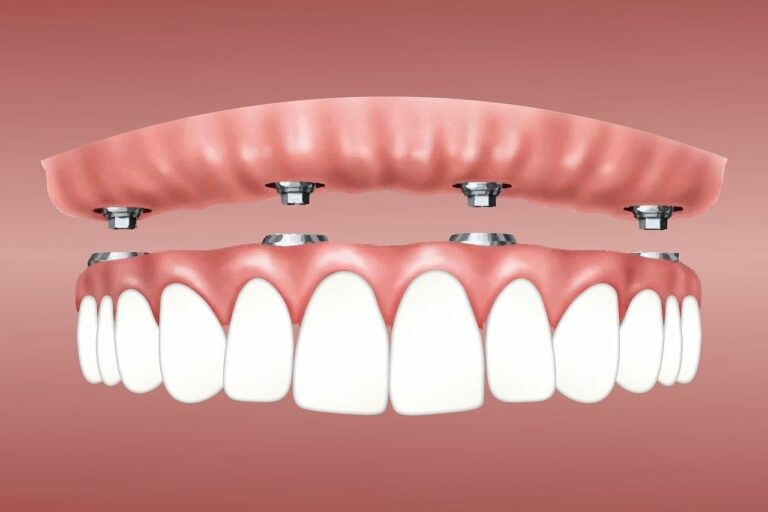
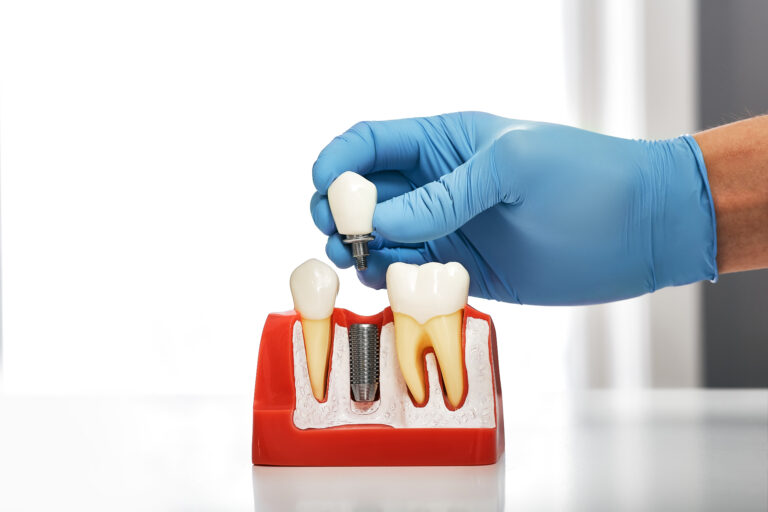
Mechanical complications create the most immediately obvious problems. Abutment screw loosening occurs when the small screw connecting the implant to the crown gradually works itself loose under chewing forces. Patients typically notice the crown feels mobile or makes clicking sounds when biting. More serious mechanical failures include implant fracture — usually at the neck of the implant — which can happen years after placement due to fatigue from repeated loading or manufacturing defects in the titanium.
Crown-related issues represent a significant category of complications. Ceramic crowns can chip or fracture, particularly in patients who grind their teeth at night. More problematically, poorly fitting crowns can create food traps that lead to bacterial accumulation and subsequent peri-implantitis. The cement used to secure some crowns can also cause problems if excess material isn’t completely removed during placement, creating a nidus for bacterial growth.
Nerve complications, while less common, can be devastating when they occur. Inferior alveolar nerve injury during lower jaw implant placement can cause permanent numbness in the lip, chin, and teeth on the affected side. This typically results from placing implants too close to the nerve canal, either due to inadequate pre-surgical planning or anatomical variations not visible on routine X-rays.
Early implant failure — loss of osseointegration before the crown is even placed — affects approximately 2-5% of cases. These implants become mobile during the healing period and must be removed. While disappointing, early failures are often easier to manage than late complications since they haven’t yet compromised significant amounts of bone tissue.
Which Factors Increase the Risk of Dental Implant Problems?
Smoking stands as the most significant modifiable risk factor for implant complications. Nicotine constricts blood vessels in the gums, reducing the oxygen and nutrients needed for proper healing around the implant site. Smokers face nearly double the risk of implant failure compared to non-smokers, and when complications do occur, they tend to be more severe and harder to treat.
Systemic health conditions create multiple pathways for implant problems. Diabetes, particularly when poorly controlled, impairs wound healing and increases susceptibility to infection. Patients with hemoglobin A1C levels above 7% face significantly higher complication rates. Osteoporosis affects bone quality and density, potentially compromising the implant’s ability to achieve solid integration. Autoimmune conditions like rheumatoid arthritis can interfere with normal healing responses and may require medication adjustments before implant surgery.
Oral hygiene habits established before implant placement often predict long-term success. Patients with a history of severe gum disease carry higher bacterial loads and may have compromised immune responses in their mouth. Even after successful treatment of existing gum disease, these individuals require more intensive maintenance protocols to prevent peri-implantitis.
Anatomical factors beyond the patient’s control also influence outcomes. Insufficient bone volume or density requires additional procedures like bone grafting, which introduces complexity and additional healing requirements. The location in the mouth matters significantly — back teeth experience higher chewing forces and are harder to keep clean, leading to increased complication rates compared to front teeth.
Behavioral factors compound these biological risks. Teeth grinding or clenching subjects implants to excessive forces that can loosen components or cause fractures. Poor compliance with post-operative instructions — like eating hard foods too early or skipping follow-up appointments — allows minor issues to progress into major complications.
The surgical experience and technique also play crucial roles. Overheating the bone during drilling, contamination of the implant surface during placement, or inadequate primary stability can all predispose to complications. However, even with perfect surgical technique, patient-specific factors can still lead to problems, which is why comprehensive pre-surgical evaluation and realistic expectations are essential.
How Can Early Signs of Implant Failure Be Identified and Assessed?
Recognizing Warning Signs of Implant Issues
The earliest sign of implant trouble is often bleeding around the implant when brushing or flossing — something that should never happen with a healthy implant. Unlike natural teeth, where minor bleeding might indicate simple gingivitis, any bleeding around an implant suggests bacterial penetration past the gum seal and requires immediate attention.
Mobility represents a more advanced warning sign. A healthy implant should feel completely solid, just like a natural tooth root fused to bone. Any perceptible movement when pressing on the crown with your finger indicates either screw loosening or loss of bone integration. Even slight mobility that’s only noticeable when eating certain foods warrants urgent evaluation.
Changes in sensation around the implant area can signal nerve involvement or infection. This might manifest as increased sensitivity to temperature, pressure sensitivity that wasn’t present initially, or unusual tastes when eating. Persistent bad breath or a metallic taste specifically around the implant site often indicates bacterial colonization that standard oral hygiene can’t resolve.
Visual changes provide important clues about implant health. Gum recession that exposes the implant threads indicates bone loss underneath — the gums simply follow the bone level as it recedes. Swelling, redness, or the appearance of pus around the implant margin signals active infection that requires professional treatment.
Clinical Assessment and Monitoring Protocols
Professional monitoring begins with probing around the implant to measure pocket depths — the space between the gum and implant surface. Healthy implants typically have probe depths of 3mm or less. Depths greater than 4mm, especially when accompanied by bleeding, suggest peri-implantitis requiring intervention.
Radiographic evaluation forms the backbone of implant monitoring. Baseline X-rays taken immediately after crown placement serve as reference points for detecting bone loss over time. Annual imaging helps identify gradual changes that might not be apparent clinically. Advanced imaging like 3D cone beam scans can reveal bone loss patterns and help plan treatment approaches.
Mobility testing uses specialized instruments to detect movement imperceptible to finger pressure. Resonance frequency analysis — a high-tech assessment tool — measures how firmly the implant is integrated by analyzing vibration patterns. Decreasing values over time indicate loosening integration that may require intervention.
Bacterial testing around implants helps identify specific pathogens involved in peri-implantitis. DNA-based tests can detect harmful bacteria before clinical signs appear, allowing for targeted antibiotic therapy. Some practices use this testing routinely during maintenance visits for high-risk patients, while others reserve it for cases showing early signs of complications.
Professional cleaning protocols for implants differ significantly from those used on natural teeth. Metal instruments can scratch implant surfaces, creating areas where bacteria can more easily attach. Instead, professionals use plastic instruments, specialized powders, or ultrasonic devices designed specifically for implant maintenance, along with antimicrobial rinses to reduce bacterial loads.
What Are Effective Strategies to Prevent and Manage Implant Complications?
Prevention begins with meticulous daily oral hygiene adapted specifically for implants. Water flossers prove particularly effective around implants because they can reach areas that traditional floss might miss, and the pulsing water helps disrupt bacterial biofilms. Special implant-specific brushes with soft bristles clean around the crown margins without scratching the implant surface.
Professional maintenance visits every three to four months — more frequently than typical dental cleanings — allow for early intervention when problems are most treatable. During these visits, professionals can remove bacterial deposits that home care can’t address and monitor for subtle changes in gum health or implant stability.
When complications do develop, treatment approaches depend on the specific problem and its severity. Non-surgical management of early peri-implantitis includes deep cleaning with specialized instruments, antimicrobial therapy, and sometimes laser treatment to reduce bacterial loads. Success rates are highest when intervention begins before significant bone loss occurs.
More advanced complications may require surgical intervention. Regenerative procedures can rebuild bone around implants affected by peri-implantitis, though success rates vary depending on the implant surface characteristics and bone loss patterns. In cases where dental restoration services become necessary due to crown complications, addressing underlying causes like bite problems or oral hygiene deficiencies is crucial for long-term success.
Mechanical complications often have straightforward solutions when caught early. Loose screws can be tightened, chipped crowns can be repaired or replaced, and bite adjustments can redistribute forces more evenly. However, these fixes only succeed if the underlying causes — like teeth grinding or poor oral hygiene — are also addressed through night guards, stress management, or improved home care routines.
The most important prevention strategy may be setting realistic expectations and maintaining long-term commitment to implant care. Unlike natural teeth, which can often recover from periods of neglect, implants require consistent, lifelong maintenance to prevent complications that can be difficult and expensive to treat once they develop.