Smoking Effects on Teeth: Complete Guide to Oral Health Damage and Recovery
Smoking wreaks havoc on your teeth and gums in ways that go far beyond surface stains. From yellow discoloration and gum disease to delayed healing and increased oral cancer risk, tobacco use creates a cascade of oral health problems that worsen over time. The good news? Your mouth begins healing within days of quitting smoking, and many effects can be reversed with proper dental care and professional support.
Whether you’re a current smoker concerned about your oral health or someone considering quitting, understanding exactly how tobacco affects your teeth and gums empowers you to make informed decisions about your health. Let’s explore the comprehensive impact smoking has on your mouth and the proven benefits of cessation.
How Smoking Immediately Affects Your Teeth and Mouth
The moment you light a cigarette, tobacco smoke bathes your entire mouth in over 7,000 chemicals, many of which are toxic. These chemicals don’t just pass through your mouth—they stick around, creating immediate changes you can see and feel.
The most noticeable effects happen quickly. Bad breath develops within hours, while tooth staining begins accumulating with each cigarette. Your saliva production decreases, creating a dry mouth that feels uncomfortable and allows harmful bacteria to multiply more rapidly.
Yellow and Brown Tooth Stains From Smoking
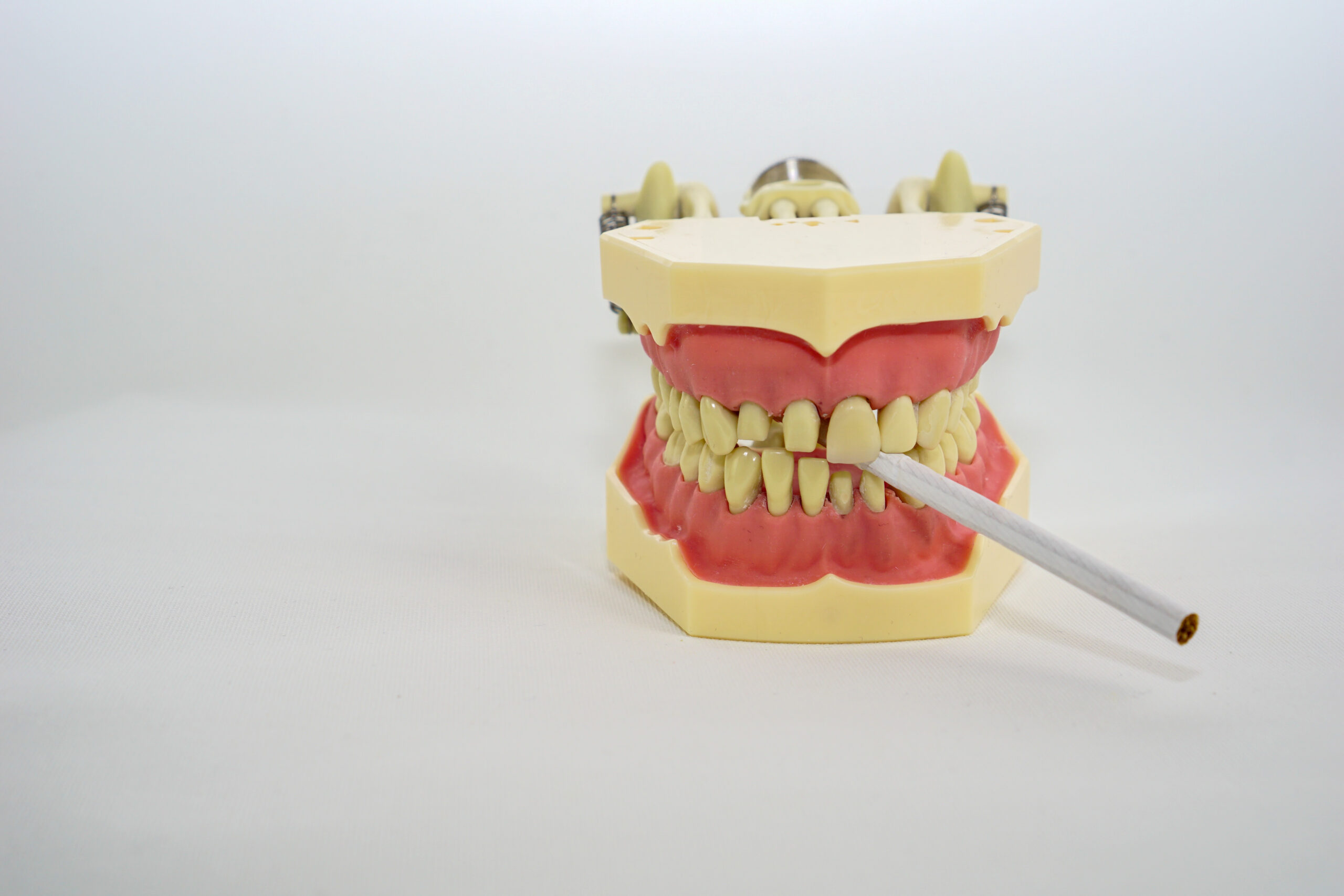
Those telltale yellow and brown smoking stains aren’t just surface discoloration—they’re evidence of tar and nicotine penetrating deep into your tooth enamel. Tar, the sticky brown substance that forms when tobacco burns, contains numerous pigmented compounds that adhere stubbornly to teeth.
Nicotine itself is colorless, but when exposed to oxygen, it turns yellow. This chemical reaction happens continuously in your mouth every time you smoke. The staining process accelerates because smoking reduces saliva flow, which normally helps rinse away stain-causing particles.
Surface stains appear first, usually within weeks of regular smoking. However, the tar and nicotine gradually work their way deeper into the microscopic pores of your tooth enamel, creating intrinsic stains that become increasingly difficult to remove. Heavy smokers often develop dark brown or even black staining around the gum line and between teeth where cleaning is most challenging.
At [Practice Name], we often see patients surprised by how quickly smoking stains develop, especially in areas they can’t easily see in the mirror.
Bad Breath and Dry Mouth From Tobacco Use
Smoking causes persistent bad breath through multiple mechanisms. The smoke itself leaves an odor that clings to your mouth, throat, and clothing. But the real problem runs deeper—smoking dramatically reduces saliva production, creating the perfect environment for odor-causing bacteria to thrive.
Saliva serves as your mouth’s natural cleansing system, washing away food particles and neutralizing acids produced by bacteria. When smoking reduces this protective flow, bacteria multiply rapidly, producing sulfur compounds that create that distinctive “smoker’s breath” that mouthwash can only temporarily mask.
The dry mouth effect compounds other problems too. Without adequate saliva to buffer acids and provide essential minerals, your teeth become more vulnerable to decay. Many smokers report their mouth feeling cottony or sticky, especially upon waking.
Smoking and Gum Disease: A Dangerous Combination
Smoking creates a perfect storm for gum disease development. Research shows smokers are 2-3 times more likely to develop periodontal disease compared to non-smokers, and the condition progresses more rapidly and severely in tobacco users.
The relationship between smoking and gum disease is particularly insidious because smoking masks some early warning signs. While healthy gums typically bleed when inflamed, the nicotine in tobacco constricts blood vessels, reducing bleeding even when serious gum disease is present. This means smokers often don’t realize they have gum disease until it’s advanced.
How Smoking Causes Gum Inflammation and Bleeding
Tobacco use suppresses your immune system’s ability to fight off bacterial infections in your mouth. The chemicals in cigarette smoke interfere with normal immune cell function, making it harder for your body to combat the bacteria that cause gum disease.
Nicotine reduces blood flow to your gums, starving the tissue of oxygen and nutrients needed for healing and repair. This compromised circulation creates an environment where harmful bacteria can establish deeper pockets between your teeth and gums, leading to infection and inflammation.
When smokers’ gums do bleed—often only noticed during dental cleanings—it typically indicates more advanced disease than the same level of bleeding would suggest in non-smokers. The reduced bleeding response means damage can progress silently for months or years.
Gum Recession and Bone Loss From Long-Term Smoking
Long-term smoking accelerates the destruction of tissues that support your teeth. As gum disease progresses in smokers, the infection destroys not just gum tissue but also the underlying bone that anchors teeth in your jaw.
Smoking enhances the production of inflammatory chemicals that break down collagen, the protein that gives gum tissue its strength and structure. Without healthy collagen, gums recede, exposing tooth roots and creating longer-appearing teeth with increased sensitivity.
The bone loss that occurs in smoking-related periodontal disease happens faster and more extensively than in non-smokers. This bone destruction can lead to tooth mobility, changes in bite, and eventually tooth loss. Studies show smokers lose teeth at twice the rate of non-smokers, with heavy smokers facing even higher risks.
Serious Health Risks: Oral Cancer and Smoking
The link between smoking and oral cancer represents one of the most serious consequences of tobacco use. Approximately 90% of oral cancers occur in people who use tobacco, with risk increasing dramatically with both the amount smoked and duration of use.
Oral cancer can develop in your lips, tongue, throat, floor of mouth, or soft tissues. Unlike some other cancers, oral cancer often presents symptoms that patients can detect themselves, making awareness and regular screening critically important.
Where Oral Cancer Develops in Smokers
Tobacco smoke creates the highest cancer risk in areas where it has direct, prolonged contact. The tongue, particularly the sides and bottom, represents one of the most common sites for smoking-related oral cancer. The constant exposure to heat and chemicals from cigarette smoke damages cells in these areas repeatedly.
The throat and back of the mouth also face significant risk, especially in smokers who inhale deeply. These areas receive concentrated exposure to carcinogenic chemicals with each puff. Lip cancer occurs more frequently in pipe and cigar smokers, where the tobacco has direct contact with lip tissue.
Early Warning Signs Every Smoker Should Know
Recognizing early signs of oral cancer can literally save your life. Look for persistent sores that don’t heal within two weeks, white or red patches in your mouth that don’t resolve, lumps or thick areas in your cheek, tongue, or throat, and persistent hoarseness or sore throat.
Changes in your voice, difficulty swallowing, or numbness in your mouth or lips should prompt immediate professional evaluation. Many early oral cancers are painless, which makes regular screening by your dentist essential for early detection when treatment is most effective.
Why Smoking Complicates Dental Treatment
Beyond causing oral health problems, smoking significantly complicates dental treatment and reduces success rates for many procedures. The impaired healing response and compromised immune function that smoking creates affect everything from routine cleanings to complex surgeries.
Understanding these complications helps explain why dentists often recommend smoking cessation before certain procedures and why treatment planning may need modification for smokers.
Dental Implant Failure Risk in Smokers
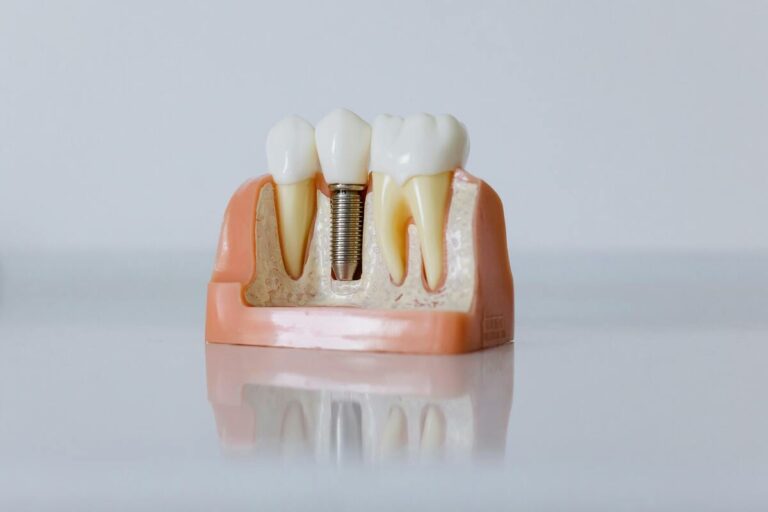
Dental implants rely on a process called osseointegration, where the titanium implant fuses with your jawbone. Smoking dramatically interferes with this critical healing process, leading to implant failure rates that are twice as high in smokers compared to non-smokers.
The reduced blood flow and oxygen delivery that smoking causes creates an environment where bone cannot properly integrate with the implant surface. Additionally, the increased bacterial load in smokers’ mouths raises the risk of peri-implantitis, an infection around the implant that can cause it to fail even years after placement.
At [Practice Name], we carefully evaluate each patient’s smoking status when discussing implant treatment, as success requires optimal healing conditions that smoking severely compromises.
Delayed Healing After Dental Surgery
Any dental surgery—from tooth extractions to gum surgery—heals more slowly and with more complications in smokers. The reduced blood flow and impaired immune response create a perfect environment for delayed healing and increased infection risk.
Dry socket, a painful condition where the blood clot fails to form properly after tooth extraction, occurs five times more frequently in smokers. The sucking action of smoking combined with reduced healing capacity creates ideal conditions for this complication.
Even routine procedures like deep cleanings may require modified approaches in smokers, as the compromised tissue response means healing takes longer and may be less predictable.
Recovery Timeline: What Happens When You Quit Smoking
The remarkable news about smoking cessation is that healing begins almost immediately. Your body starts repairing smoking damage within hours of your last cigarette, with many benefits becoming apparent within weeks.
Understanding the timeline of recovery can provide powerful motivation during the challenging early days of quitting smoking.
Immediate Benefits: First Days and Weeks
Within 12 hours of quitting, carbon monoxide levels in your blood return to normal, improving oxygen delivery to all tissues, including your gums. Within 24-48 hours, your sense of taste and smell begin returning, making food more enjoyable.
The first week brings noticeable improvements in breath odor as the lingering smoke smell dissipates and bacteria levels begin normalizing. Your saliva production starts increasing, helping to naturally cleanse your mouth more effectively.
By two weeks, circulation improvements become apparent throughout your body, including increased blood flow to your gums. This enhanced circulation helps deliver nutrients and immune cells more effectively, beginning the process of tissue repair.
Long-Term Oral Health Recovery
The one-month mark typically brings significant improvements in gum inflammation. Many former smokers notice their gums look pinker and healthier, with reduced swelling and sensitivity during brushing and flossing.
Within three months, your immune system function improves substantially, making it easier for your body to fight off the bacteria that cause gum disease. Gum tissue continues healing, and the risk of complications from dental procedures decreases significantly.
After one year, your risk of gum disease drops to nearly that of someone who never smoked, though some effects of long-term smoking may persist. The good news is that even long-term smokers see substantial improvements when they quit, regardless of how long they smoked.
Professional Treatment Options for Smoking-Related Damage
Many effects of smoking on your teeth and gums can be successfully treated with professional dental care. The key is addressing both the immediate aesthetic concerns and the underlying health issues that smoking creates.
Modern dentistry offers numerous options to restore your smile and oral health after smoking cessation.
Teeth Whitening for Heavy Smokers
Professional teeth whitening can dramatically improve the appearance of smoking-stained teeth, though realistic expectations are important. Surface stains respond well to professional whitening treatments, while deeper intrinsic stains may require more aggressive approaches or alternative treatments like veneers.
The success of whitening in former smokers depends on several factors: the depth of staining, how long you smoked, and your individual tooth structure. Professional whitening is significantly more effective than over-the-counter products for smoking stains, as it uses stronger concentrations of bleaching agents applied under controlled conditions.
Multiple whitening sessions may be necessary for heavy smokers, and maintenance treatments help preserve results. The investment in professional whitening often provides psychological benefits beyond aesthetics, reinforcing your commitment to better oral health.
Periodontal Treatment and Ongoing Care
Smoking-related gum disease requires professional treatment that goes beyond routine cleanings. Scaling and root planing, a deep cleaning procedure that removes bacteria and toxins from below the gum line, represents the first line of treatment for periodontal disease.
For advanced cases, surgical procedures may be necessary to regenerate lost gum tissue and bone. These procedures work best in former smokers, as the improved healing response increases success rates significantly.
Ongoing maintenance becomes crucial after periodontal treatment. Former smokers typically need more frequent cleanings—often every 3-4 months instead of the standard six—to maintain gum health and prevent disease recurrence.
Your Manhattan Dentist’s Role in Smoking Cessation
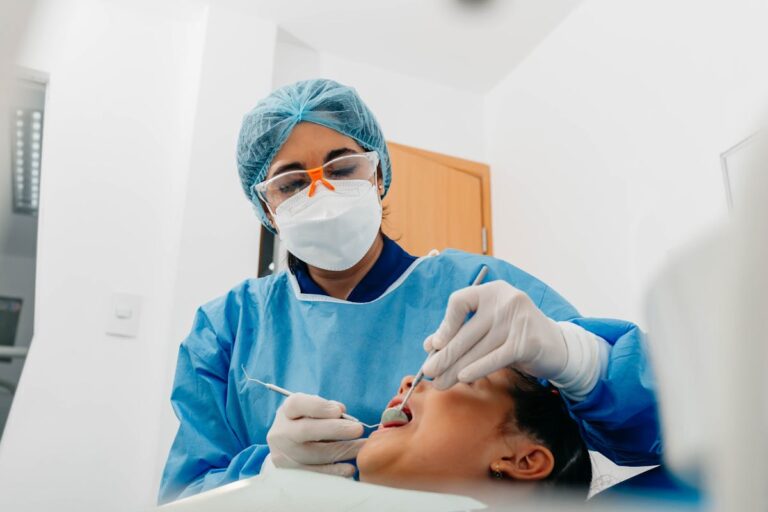
Your dental team plays a unique role in supporting smoking cessation efforts. During regular dental visits, dentists can identify early signs of smoking-related damage and provide motivation for quitting through education about specific impacts visible in your mouth.
Dentists are trained to provide non-judgmental cessation counseling and can connect you with proven resources for quitting smoking. Many patients find the visual evidence of smoking damage in their mouth provides powerful motivation to quit that generic health warnings cannot match.
Regular dental visits become even more important during and after smoking cessation. Your dental team can monitor healing progress, adjust treatment plans as your oral health improves, and celebrate milestones in your recovery journey. This ongoing support and encouragement often proves invaluable during challenging moments in the quitting process.
Professional oral cancer screening takes on heightened importance for current and former smokers. Early detection dramatically improves treatment outcomes, making regular dental examinations a critical component of your overall health care.
Take Control of Your Oral Health Today
Understanding the comprehensive impact of smoking on your teeth and gums empowers you to make positive changes for your oral health. Whether you’re ready to quit smoking or want to address existing damage, professional dental care can help restore your smile and protect your health. The healing process begins immediately when you stop smoking, and many effects can be successfully treated with proper care.
At Oracare Dental Centre, we provide compassionate, non-judgmental care for patients dealing with smoking-related oral health issues. Our team understands the challenges of smoking cessation and offers comprehensive support including oral cancer screening, periodontal treatment, and cosmetic solutions for smoking stains. We’re committed to helping you achieve optimal oral health regardless of your smoking history. Contact us today to schedule your consultation and take the first step toward a healthier smile.