Braces for Kids in Hoboken: Complete Guide to Children’s Orthodontic Treatment
Getting braces for kids in Hoboken doesn’t have to be overwhelming. The American Association of Orthodontists recommends that children have their first orthodontic evaluation by age 7, when their first adult molars emerge and their bite begins to take shape. This early assessment allows orthodontists to identify potential issues before they become more serious, giving your child the best chance for a healthy, beautiful smile.
At Hoboken Family Orthodontics, we understand that every parent wants what’s best for their child’s oral health. Early orthodontic intervention can prevent more complex problems down the road, reduce overall treatment time, and boost your child’s confidence during those crucial developmental years. Whether your child needs traditional metal braces, ceramic braces, or clear aligners, the key is finding the right treatment at the right time with a pediatric orthodontist who specializes in children’s unique needs.
When Should Kids Get Braces?
The question of timing is one of the most common concerns parents have about children orthodontic treatment. While every child is different, there are clear guidelines that help determine the optimal time to begin orthodontic care.
AAO Age 7 Recommendation
The American Association of Orthodontists established the age 7 guideline for good reason. By this age, most children have a mix of baby teeth and permanent teeth, allowing an experienced pediatric orthodontist in Hoboken to evaluate how the jaw is developing and spot potential problems early. This doesn’t mean your 7-year-old will automatically need braces – it simply means they should have their first professional orthodontic evaluation.
During this initial assessment, the orthodontist examines tooth eruption patterns, jaw growth, and bite development. They can identify issues like overcrowding, crossbites, or jaw size discrepancies that might benefit from early orthodontic intervention. In many cases, the recommendation is simply to monitor your child’s development and return for periodic check-ups.
Signs Your Child Needs Early Orthodontic Evaluation
Several warning signs indicate your child might benefit from an earlier evaluation, even before age 7:
- Early or late loss of baby teeth
- Difficulty chewing or biting
- Mouth breathing or snoring
- Thumb sucking beyond age 5
- Crowded or crooked teeth
- Jaws that shift when opening or closing
- Speech difficulties
- Biting the cheek or roof of the mouth
If you notice any of these signs in your Hoboken child, scheduling a kids braces consultation can provide peace of mind and potentially prevent more serious problems from developing.
Early Intervention vs Waiting
Interceptive orthodontic care offers several advantages over waiting until all permanent teeth have erupted. Early treatment can guide jaw growth, create space for crowded teeth, and reduce the risk of trauma to protruding front teeth. However, not every child needs early intervention – sometimes waiting for full tooth eruption allows for more efficient comprehensive treatment.
The decision between early intervention and waiting depends on your child’s specific situation. Factors like the severity of the problem, your child’s age and maturity level, and their ability to maintain good oral hygiene all play a role in timing recommendations.
Types of Braces Available for Children in Hoboken
Modern orthodontics offers several effective options for straightening teeth in kids, each with unique advantages depending on your child’s needs, age, and lifestyle.
Traditional Metal Braces for Kids
Traditional metal braces for children remain the most popular choice for good reason. They’re highly effective for correcting complex orthodontic problems, from severe crowding to significant bite issues. Today’s metal braces are smaller and more comfortable than previous generations, and kids often enjoy personalizing them with colorful elastic bands.
Metal braces work by applying gentle, continuous pressure to gradually move teeth into their proper positions. They’re fixed appliances, meaning your child can’t remove them, which eliminates compliance issues common with removable appliances. For active kids in Hoboken who participate in sports or other activities, metal braces are durable and reliable.
Ceramic Braces for Children
Ceramic braces for children offer the same effectiveness as metal braces with a more aesthetic appearance. The clear or tooth-colored brackets blend naturally with your child’s teeth, making them less noticeable – an important consideration for image-conscious teens attending Hoboken High School or other local schools.
While ceramic braces are slightly more expensive than metal ones, they provide an excellent compromise between effectiveness and appearance. They require the same care as metal braces but may be slightly more prone to staining if oral hygiene isn’t maintained properly.
Invisalign for Kids and Teens
Invisalign for kids has revolutionized orthodontic treatment for children. The clear, removable aligners are virtually invisible and can be taken out for eating, brushing, and special occasions. Invisalign First is specifically designed for younger children with mixed dentition, while Invisalign Teen offers features tailored to teenage patients.
The success of clear aligners for kids depends heavily on compliance – your child must wear the aligners 20-22 hours per day for optimal results. For responsible children who can commit to wearing their aligners consistently, Invisalign offers unmatched convenience and aesthetics.
Removable vs Fixed Orthodontic Appliances
The choice between removable braces for kids and fixed braces for children depends on the treatment goals and your child’s maturity level. Removable appliances like retainers or expanders work well for specific problems but require diligent wear. Fixed appliances provide continuous treatment but require excellent oral hygiene to prevent problems.
Phase 1 vs Phase 2 Orthodontic Treatment
Understanding the difference between Phase 1 orthodontic treatment and comprehensive treatment helps parents make informed decisions about their child’s care.
What Is Phase 1 Treatment?
Phase 1 treatment, also called interceptive treatment, typically occurs between ages 6-10 while your child still has baby teeth. The goal isn’t to create a perfect smile immediately but to address specific problems that could worsen without intervention. Common Phase 1 treatments include palatal expanders to widen narrow jaws, space maintainers to hold space for erupting teeth, or partial braces to correct crossbites.
This early intervention can prevent more serious problems from developing and may reduce the complexity of future treatment. Phase 1 treatment usually lasts 12-18 months and is followed by a rest period while remaining permanent teeth erupt.
When Phase 2 Treatment Is Needed
Phase 2 treatment is comprehensive orthodontic care that typically begins around age 11-13 when most permanent teeth have erupted. This phase focuses on final positioning of all teeth and fine-tuning the bite for optimal function and aesthetics. Not every child who receives Phase 1 treatment will need Phase 2, but many benefit from this comprehensive approach.
Benefits of Two-Phase Treatment
Two-phase treatment allows orthodontists to take advantage of your child’s natural growth and development. By addressing jaw problems early, Phase 1 treatment can create a better foundation for permanent teeth. This approach often results in better long-term stability and may reduce the overall treatment time compared to waiting until all permanent teeth have erupted.
What to Expect During Your Child’s Orthodontic Journey
Understanding the orthodontic consultation process helps families feel more comfortable and prepared for treatment.
The Initial Consultation Process
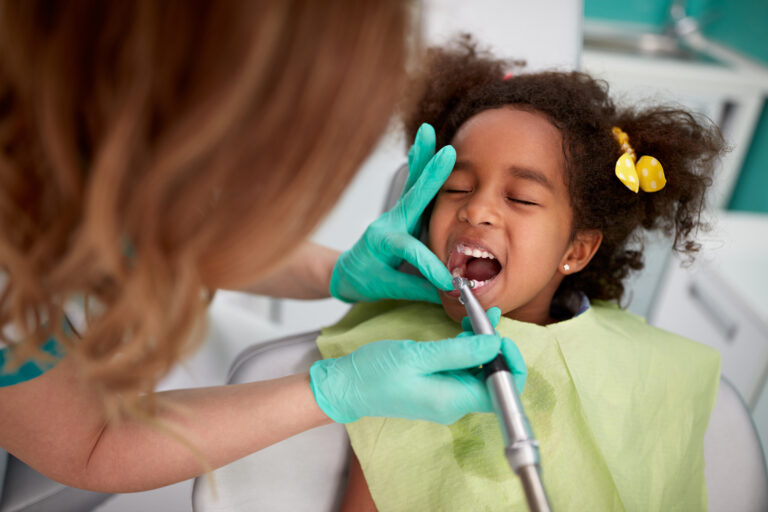
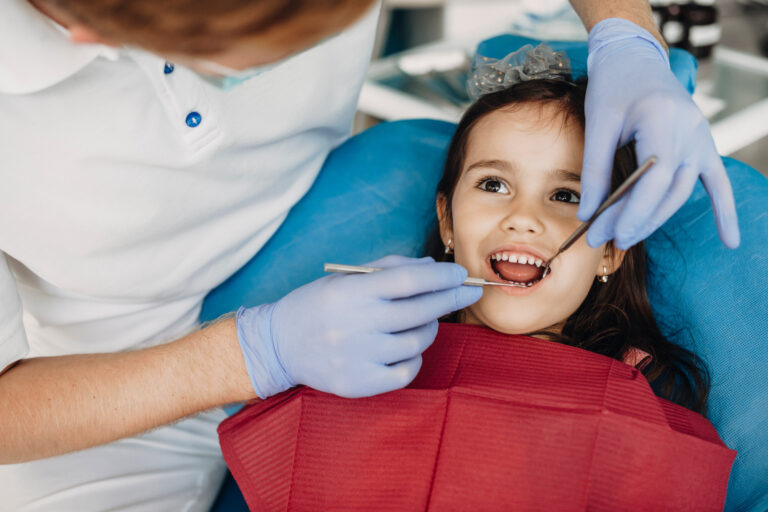
Your first visit to a pediatric orthodontist in Hoboken begins with a comprehensive examination. The orthodontist will evaluate your child’s teeth, bite, jaw relationship, and facial balance. Digital X-rays and photographs provide detailed information about tooth positioning and jaw structure. This information helps create an accurate diagnosis and treatment recommendation.
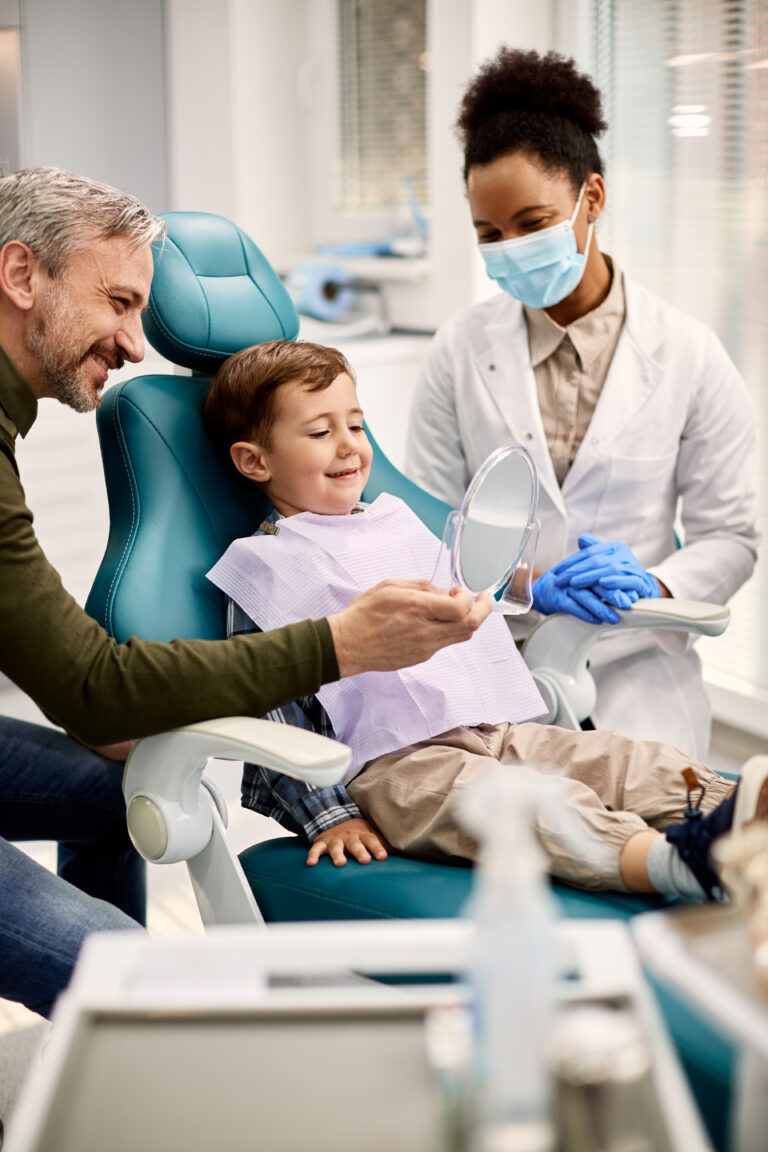
During the consultation, the orthodontist will explain any problems identified, discuss treatment options, and provide timeline estimates. This is an excellent opportunity to ask questions about different treatment approaches and understand what to expect throughout the process.
Creating a Treatment Plan
Every treatment plan for children is customized based on individual needs. The orthodontist considers factors like your child’s age, the severity of the problem, growth patterns, and personal preferences when recommending treatment. A detailed treatment plan includes the type of appliances recommended, estimated treatment duration, and payment options.
At this stage, families receive information about what to expect during treatment, including adjustment appointment schedules and home care instructions. Clear communication ensures everyone understands the commitment involved in orthodontic treatment.
Regular Adjustment Appointments
Braces adjustment appointments typically occur every 4-8 weeks, depending on the treatment plan. During these visits, the orthodontist monitors progress, makes necessary adjustments, and addresses any concerns. For children with traditional braces, adjustments might include changing wires, replacing elastic bands, or adding new components.
These regular visits are crucial for successful treatment outcomes. They allow the orthodontist to ensure treatment is progressing as planned and make modifications if needed. Most adjustment appointments last 20-30 minutes and are generally comfortable for children.
Treatment Timeline and Duration
The orthodontic treatment timeline varies significantly based on individual factors. Phase 1 treatment typically lasts 12-18 months, while comprehensive treatment averages 18-24 months. Complex cases may require longer treatment times, while minor corrections might be completed more quickly.
Several factors influence treatment duration, including the severity of the initial problem, your child’s age and growth rate, compliance with instructions, and oral hygiene maintenance. Regular appointment attendance and following care instructions help ensure treatment stays on schedule.
How Much Do Braces for Kids Cost in Hoboken?
Understanding pediatric braces cost helps families plan for this important investment in their child’s oral health.
Average Cost by Treatment Type
Braces cost in Hoboken varies based on treatment type and complexity. Traditional metal braces typically range from $3,000-$6,500, while ceramic braces cost slightly more at $4,000-$7,000. Invisalign for kids generally falls in the $3,500-$7,500 range, depending on treatment complexity and duration.
Phase 1 treatment usually costs less than comprehensive treatment, typically ranging from $2,000-$4,000. These investments in your child’s oral health provide lifelong benefits, including improved function, better oral hygiene, and increased confidence.
Insurance Coverage for Orthodontic Treatment
Most dental insurance plans include orthodontic insurance coverage, typically paying 50% of treatment costs up to a lifetime maximum of $1,000-$2,000. Coverage often has age restrictions, so it’s important to understand your plan’s specific benefits. Some plans require a waiting period before orthodontic benefits become available.
Working with an orthodontic practice that accepts your insurance can help maximize your benefits. The practice can often file claims directly and provide estimates of your out-of-pocket costs before treatment begins.
Payment Plans and Financing Options
Many Hoboken families appreciate flexible braces payment plans that make treatment more affordable. Monthly payment options allow families to spread treatment costs over the duration of care, often with no interest if payments are made on time. Third-party financing companies also offer longer-term payment plans with competitive interest rates.
Some practices offer family discounts for multiple children receiving treatment simultaneously. Flexible spending accounts (FSAs) and health savings accounts (HSAs) can also help reduce the after-tax cost of orthodontic treatment.
Choosing the Best Pediatric Orthodontist in Hoboken
Selecting the right orthodontist for children in Hoboken significantly impacts your child’s treatment experience and outcomes.
Questions to Ask During Consultation
Important questions to ask during your orthodontic evaluation in Hoboken include:
- What specific problems do you see with my child’s bite or teeth?
- What treatment options are available, and what do you recommend?
- How long will treatment take, and what factors might affect the timeline?
- What are the total costs, and what payment options are available?
- How do you handle orthodontic emergencies?
- What is your experience treating children of my child’s age?
These questions help you understand the orthodontist’s approach and determine if they’re the right fit for your family.
What Makes a Great Kids’ Orthodontist
The best orthodontist for children in Hoboken combines technical expertise with excellent communication skills. Look for board certification, extensive experience with pediatric patients, and a practice environment that makes children feel comfortable. The orthodontist should explain treatment clearly, involve your child in discussions appropriately, and demonstrate genuine care for young patients.
A great pediatric orthodontist also stays current with the latest treatment techniques and technology, offers multiple treatment options, and maintains flexible scheduling to accommodate school and family commitments.
Serving Hoboken, Jersey City, and Weehawken Families
Our practice proudly serves families throughout Hudson County, including Jersey City, Weehawken, and Union City. We understand the unique needs of local families and work closely with Hoboken pediatric dentists and local schools to ensure convenient care that fits your busy schedule.
Common Parent Concerns About Kids’ Braces
Addressing common questions helps parents feel more confident about their child’s orthodontic treatment.
Will Braces Hurt My Child?
Most children experience some discomfort when braces are first placed and after adjustments. This discomfort is typically mild and can be managed with over-the-counter pain relievers and soft foods. Modern braces are more comfortable than ever, and most children adjust to them within a few days.
The orthodontist can provide specific recommendations for managing discomfort, including orthodontic wax for irritated areas and suggestions for comfortable foods during adjustment periods.
How Braces Affect School and Social Life
Many Hoboken parents worry about how braces will affect their child’s self-esteem and social interactions. While there may be an initial adjustment period, most children adapt quickly and often feel proud of taking steps to improve their smile. Many classmates at local Hoboken schools also have braces, making the experience more normal and accepted.
Encouraging your child to view braces positively and focusing on the end goal of a beautiful smile helps maintain confidence throughout treatment. Modern braces options also provide more aesthetic choices for image-conscious teens.
Caring for Braces: Brushing, Flossing, and Diet
Maintaining excellent oral hygiene with braces requires some adjustments to your child’s routine. Special orthodontic toothbrushes, floss threaders, and water flossers help clean around brackets and wires effectively. The orthodontist will provide detailed braces care instructions and may recommend specific products.
Certain foods should be avoided with braces, including hard candies, sticky foods, and crunchy snacks that can damage brackets or wires. However, most foods can still be enjoyed with some modifications, such as cutting corn off the cob or avoiding whole apples.
What Happens After Braces Come Off?
The orthodontic retention phase is crucial for maintaining treatment results. Most children receive retainers immediately after braces removal to hold teeth in their new positions while the surrounding tissues adapt. Initial retainer wear is typically full-time, gradually transitioning to nighttime wear.
Following retainer instructions carefully ensures your child’s beautiful new smile remains stable for life. Regular follow-up appointments during the retention phase help monitor stability and address any concerns promptly.
Schedule Your Child’s Orthodontic Consultation Today
Choosing the right time and treatment for your child’s orthodontic care sets the foundation for a lifetime of healthy, confident smiles. From early orthodontic intervention to comprehensive treatment with traditional braces or Invisalign, the key is working with an experienced pediatric orthodontist who understands children’s unique needs and growth patterns.
At our Hoboken practice, we’re committed to providing exceptional orthodontic care that fits your family’s lifestyle and budget. Our team specializes in treating children of all ages, from Phase 1 orthodontic treatment through comprehensive care for teens. We offer flexible payment plans, work with most insurance providers, and maintain convenient scheduling to accommodate busy Hoboken families. Call us today to schedule your child’s complimentary consultation and take the first step toward the smile they deserve.