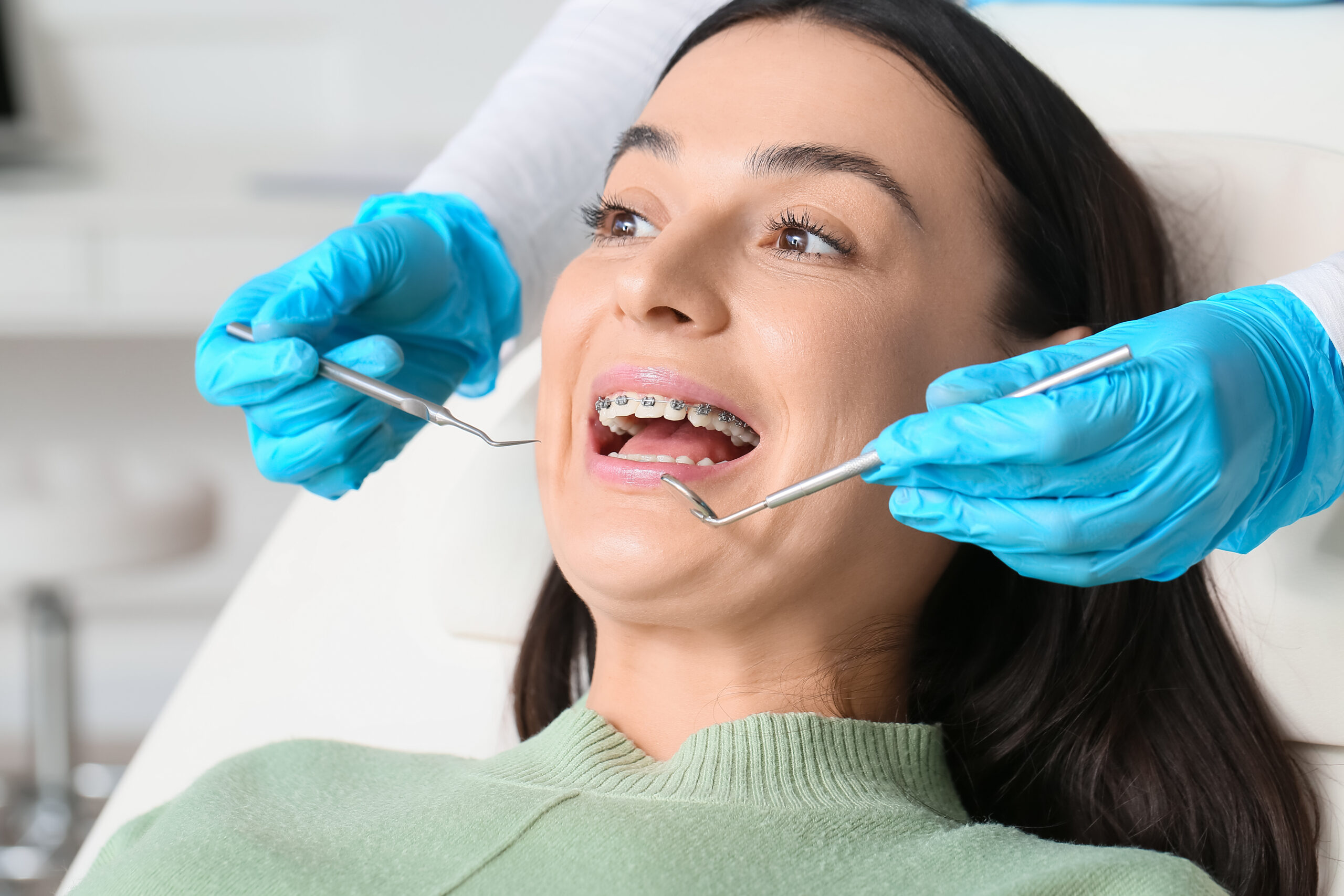
How Long Do Braces Take? Complete Timeline Guide for New Jersey Patients
If you’re considering orthodontic treatment, you’re probably wondering how long you’ll need to wear braces. The answer varies significantly from person to person, but most patients can expect to wear braces for 12 to 36 months, with the average treatment time falling between 18 to 24 months. The duration depends on several factors including the severity of your orthodontic issues, your age, the type of braces you choose, and how well you follow your orthodontist’s instructions.
Understanding your potential timeline helps you plan for this important investment in your smile and oral health. At our New Jersey practice, we’ve seen thousands of patients successfully complete their orthodontic journeys, and we know that setting realistic expectations from the start leads to better outcomes and happier patients.
Whether you’re a teenager getting your first set of traditional metal braces or an adult considering clear aligner therapy, this comprehensive guide will help you understand what affects treatment duration and how you can work with your orthodontist to achieve the best possible results in the shortest reasonable time.
Average Braces Treatment Time by Case Severity
Most orthodontic cases fall into three main categories, each with distinct timeline expectations. Understanding where your case fits helps set realistic goals for your teeth straightening journey.
The complexity of your orthodontic issues is the biggest factor determining how long you’ll wear braces. Simple spacing issues might resolve in just over a year, while comprehensive orthodontic care for severe malocclusion correction can extend well beyond two years.
Mild Orthodontic Cases (12-18 Months)
Mild cases typically involve minor crowding, small gaps between teeth, or slight bite irregularities. If you have relatively straight teeth with just a few problem areas, you’re likely looking at the shorter end of the treatment spectrum.
These cases often involve moving just a few teeth or closing small spaces. Your upper and lower teeth alignment may only need minor adjustments, allowing for faster completion. Many patients with mild crowding see significant improvement within the first six months, with treatment wrapping up between 12 to 18 months.
Moderate Orthodontic Cases (18-24 Months)
Moderate cases represent the majority of orthodontic patients. This category includes noticeable crowding, gaps, crossbites, or overbites that require more comprehensive movement. You might need significant repositioning of multiple teeth or bite correction process that takes time to achieve properly.
The average treatment duration for moderate cases aligns with the overall industry standard of 18 to 24 months. This timeframe allows your orthodontist to gradually move teeth into their ideal positions while ensuring your bite functions correctly.
Severe Orthodontic Cases (24-36+ Months)
Complex orthodontic cases involve severe crowding, significant bite problems, or situations requiring tooth extraction or jaw surgery. Some patients need comprehensive treatment that addresses both functional and aesthetic concerns simultaneously.
These cases may involve multiple phases of treatment, including initial alignment, space closure, bite correction, and detailed finishing work. Some severe cases, particularly those involving surgical orthodontics, may extend beyond three years to achieve optimal results.
How Age Affects Your Braces Timeline
Teenagers typically complete orthodontic treatment 6 to 12 months faster than adults because their bones are still growing and teeth move more readily through developing bone tissue. This biological advantage makes teenage orthodontic treatment not only faster but often more predictable.
The difference in bone density between teenagers and adults significantly impacts tooth movement rates. Adult orthodontic patients often need to be more patient with the process, as their mature bone structure requires more time to allow tooth repositioning.
Braces for Teenagers
Teenage patients benefit from ongoing facial growth that works in harmony with orthodontic forces. Most teenage orthodontic treatment is completed within 16 to 22 months, even for moderately complex cases.
Growing facial bones mean that certain corrections, like expanding narrow palates or guiding jaw growth, can be accomplished more easily during the teen years. This natural advantage often reduces the need for more complex adult treatments later.
The active lifestyle of teenagers does present some challenges, including higher rates of broken bracket repair and emergency orthodontic visits due to sports or dietary choices. However, the biological advantages typically outweigh these compliance issues.
Adult Braces Treatment Time
Adult orthodontic patients should expect treatment to take 20 to 30 months on average. While this seems longer, many adults are more compliant with orthodontic instructions, which can help optimize their timeline.
Wearing braces for adults often involves addressing not just alignment issues but also the effects of years of tooth wear, gum recession, or previous dental work. These factors may require additional time to achieve the best possible outcome.
Adult patients frequently choose ceramic braces options or clear aligner therapy for aesthetic reasons. While these alternatives offer discrete treatment, some may extend the overall timeline slightly compared to traditional metal braces.
Factors That Affect How Long Braces Take
Multiple variables influence your orthodontic treatment investment timeline. Understanding these factors helps you work with your orthodontist to optimize your treatment duration while maintaining quality results.
Type of Braces and Treatment Speed
Traditional metal braces typically offer the fastest treatment times because they provide the most direct and efficient tooth movement. The self ligating braces system can sometimes reduce appointment frequency and may slightly accelerate treatment.
Lingual braces behind teeth often require 20-30% longer treatment times due to the complexity of adjustments and the challenging access for orthodontic wire adjustments. However, they offer complete invisibility during treatment.
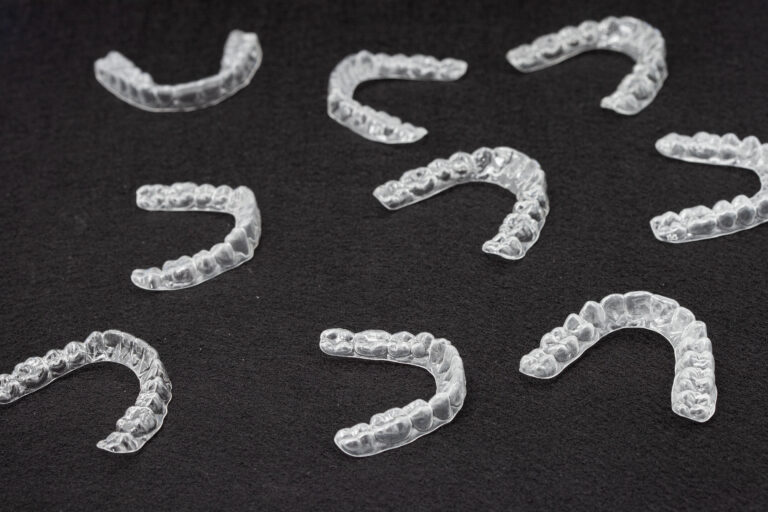
Clear aligner therapy like Invisalign treatment timeline varies significantly based on case complexity. Simple cases may complete in 6-12 months, while complex cases can take as long as traditional braces. The key advantage is removability, though this requires excellent patient compliance.
Patient Compliance Impact on Timeline
Your dedication to following orthodontic instructions is perhaps the most controllable factor affecting your treatment duration. Excellent compliance can actually reduce treatment time, while poor compliance inevitably extends it.
Wearing rubber bands as prescribed, maintaining monthly orthodontic appointments, and following dietary restrictions all contribute to staying on schedule. Missing appointments or frequently breaking brackets can add months to your treatment.
Oral hygiene maintenance becomes crucial during treatment. Poor brushing with braces and inadequate flossing around brackets can lead to tooth decay or gum disease that may require treatment interruptions.
Bone Density and Tooth Movement Rate
Individual biological factors significantly impact how quickly your teeth respond to orthodontic forces. Some people naturally have bone that allows for faster tooth movement, while others require more patience.
Age-related bone density changes mean that tooth movement slows as we get older. This biological reality explains why adult treatment generally takes longer than teenage treatment, even for similar orthodontic issues.
Genetics also play a role in how your body responds to orthodontic treatment. Your orthodontist may be able to predict your likely response based on family history and initial tooth movement patterns.
Can You Speed Up Your Braces Treatment?
Many patients want to know if there are safe, effective ways to reduce their orthodontic treatment time. While dramatic time reductions aren’t realistic, several approaches may help accelerate your progress.
Orthodontic Acceleration Technologies
Accelerated orthodontic techniques like AcceleDent and Propel have shown promise in clinical studies. These technologies use micro-vibrations or micro-perforations to potentially reduce treatment time by 30-50% in some cases.
High-frequency vibration devices that patients use at home for 20 minutes daily may help teeth move more efficiently through bone. However, results vary significantly between patients, and these technologies add to your comprehensive treatment cost.
Before investing in acceleration technologies, discuss realistic expectations with your orthodontist. Not all cases benefit equally from these approaches, and the additional cost may not be justified for shorter treatments.
How Patient Compliance Speeds Treatment
The most reliable way to optimize your timeline is excellent compliance with all orthodontic instructions. This includes wearing elastic bands exactly as prescribed, maintaining impeccable oral hygiene, and keeping all scheduled appointments.
Following a proper soft foods diet prevents bracket damage that leads to treatment delays. Each broken bracket repair can add weeks to your treatment if it disrupts the planned tooth movement sequence.
Using orthodontic wax application when needed and addressing minor issues promptly prevents small problems from becoming major delays.
What Slows Down Braces Treatment
Understanding common causes of treatment delays helps you avoid extending your timeline unnecessarily. Most delays are preventable with proper care and compliance.
Missed Appointments and Poor Compliance
Each missed orthodontic appointment can delay your progress by 4-8 weeks. The braces tightening schedule is carefully planned to maintain steady progress, and interruptions disrupt this momentum.
Poor compliance with elastic band wear is one of the most common causes of extended treatment. Rubber bands provide essential forces for bite correction, and inconsistent wear can add months to your timeline.
Inadequate oral hygiene can lead to treatment pauses for dental cleanings or cavity treatment. Some orthodontists will delay progress until oral health improves, protecting your long-term dental health.
Broken Brackets and Emergency Visits
Frequent bracket damage extends treatment time and increases costs. Each loose wire adjustment or broken bracket repair interrupts the planned tooth movement sequence.
Emergency orthodontic visits, while sometimes unavoidable, often indicate dietary or activity choices that conflict with orthodontic care. Following guidelines about foods to avoid helps prevent these disruptions.
Sports-related injuries can cause significant treatment delays. Wearing appropriate mouthguards and following safety guidelines protects both your teeth and your orthodontic appliances.
Braces Treatment Phases and Timeline
Understanding the typical phases of orthodontic treatment helps you track progress and know what to expect throughout your teeth straightening journey.
Initial Phase (Months 1-6)
The first six months focus on initial tooth alignment and getting comfortable with your orthodontic appliances adjustment routine. You’ll likely experience the most discomfort during this phase as your teeth begin moving.
Early changes are often dramatic, with visible improvements in crowding or spacing. However, this initial movement is just the foundation for the more complex movements that follow.
Pain management strategies become important during this phase. Over-the-counter pain relievers, cold compresses, and sticking to soft foods help manage discomfort during the adjustment period.
Active Treatment Phase (Months 6-18+)
This phase represents the bulk of your treatment time, involving major tooth movements, space closure, and bite correction. Progress may seem slower during this phase, but important work continues at each monthly orthodontic appointment.
Your orthodontist fine-tunes tooth positions and begins addressing bite relationships between upper and lower teeth. This phase requires patience, as complex movements take time to complete safely.
Finishing Phase (Final 2-6 Months)
The final months of treatment focus on perfecting tooth positions and ensuring proper bite function. This detailed work ensures your smile transformation process achieves the best possible results.
During this phase, your orthodontist makes final adjustments to tooth angles, contacts between teeth, and overall bite harmony. These details make the difference between a good result and an excellent one.
Braces Treatment Timeline and Cost Considerations in New Jersey
Throughout New Jersey, from North Jersey suburbs to South Jersey communities, orthodontic treatment costs typically range from $3,000 to $8,000, depending on treatment complexity and duration. Longer treatments naturally involve higher total costs due to extended monthly payment options and additional appointments.
Understanding the relationship between treatment duration and cost helps you budget appropriately for your orthodontic investment. Most New Jersey orthodontic practices offer flexible spending account options and payment plans that spread costs over the treatment period.
At our practice, we work with patients throughout Central Jersey and surrounding areas to maximize their insurance coverage benefits while providing the highest quality care. We understand that both timeline and cost are important factors in your treatment decision.
Insurance Coverage for Extended Treatment
Most dental insurance plans provide orthodontic benefits with lifetime maximums between $1,000 and $2,000. These benefits don’t change based on treatment length, so longer treatments don’t necessarily cost more from an insurance perspective.
However, extended treatment may affect your out-of-pocket costs if you change insurance plans during treatment. We help our patients plan for these possibilities and structure payment plans accordingly.
Common Questions About Braces Timeline
Why Do Some People Finish Braces Early?
Some patients complete treatment ahead of schedule due to excellent compliance, favorable biological factors, or less complex orthodontic issues than initially anticipated. Good bone density and consistent elastic band wear can accelerate progress significantly.
What Happens If Treatment Takes Longer Than Expected?
Extended timelines usually don’t involve additional fees for the orthodontic treatment itself, though additional appointments and materials may incur costs. Your orthodontist will explain any timeline changes and associated costs clearly.
Complex cases sometimes reveal additional issues as treatment progresses, requiring plan modifications. Open communication with your orthodontist ensures you understand any changes and their implications.
How Often Will I Need Orthodontic Appointments?
Most patients visit their orthodontist every 4-8 weeks throughout active treatment. These orthodontic progress monitoring appointments are essential for staying on schedule and addressing any issues promptly.
Emergency visits for broken brackets or wire problems don’t replace regular appointments. Maintaining your scheduled appointment rhythm is crucial for optimal treatment progress.
Schedule Your Orthodontic Consultation Today
Understanding how long braces take helps you prepare for this important investment in your oral health and confidence. While treatment timelines vary based on individual factors, most patients find that the permanent retainer placement and post treatment maintenance phase marks the beginning of a lifetime of improved oral health and enhanced self-confidence.
At our New Jersey orthodontic practice, we’re committed to providing realistic timeline estimates and working with you to achieve your smile goals efficiently and effectively. Our experienced team has helped thousands of patients throughout the region complete successful orthodontic journeys, and we understand how to optimize treatment plans for the best possible outcomes. Contact us today to begin your personalized treatment planning process.