
Sleep Apnea Treatment Camden: Oral Appliance Therapy as Your CPAP Alternative
If you’re struggling with sleep apnea in Camden or the South Jersey region, you have more treatment options than you might realize. While CPAP therapy remains the gold standard for obstructive sleep apnea treatment, many patients find themselves CPAP intolerant due to mask discomfort, claustrophobia, or travel inconveniences. Oral appliance therapy offers an effective CPAP alternative for patients with mild to moderate sleep apnea, providing a comfortable, portable solution that many find easier to use consistently.
Sleep apnea treatment requires a collaborative approach between sleep medicine specialists and qualified dental sleep medicine practitioners. The key to successful treatment lies in proper diagnosis through a sleep study, followed by careful evaluation to determine the most appropriate therapy for your specific condition and lifestyle needs.
At our Camden practice, we work closely with local sleep physicians to provide comprehensive sleep apnea care, helping patients achieve better sleep quality and reduce their risk of serious health complications like heart disease, stroke, and diabetes that can result from untreated obstructive sleep apnea.
What Is Oral Appliance Therapy for Sleep Apnea?
Oral appliance therapy is a non-invasive sleep apnea treatment that uses a custom-fitted dental device to maintain open airways during sleep. These specialized appliances, also called mandibular advancement devices, work by gently repositioning your lower jaw forward, which prevents the collapse of soft tissues that block your airway and cause sleep apnea episodes.
Unlike CPAP machines that deliver continuous positive airway pressure through a mask, dental sleep appliances are worn like a retainer or mouthguard. They’re particularly effective for patients with mild to moderate obstructive sleep apnea, offering success rates of 65-75% in reducing apnea-hypopnea index (AHI) scores while providing significantly better compliance rates than CPAP therapy.
The treatment requires a physician’s diagnosis and prescription, followed by careful evaluation and fitting by a dentist trained in sleep medicine. This collaborative care model ensures you receive the most appropriate treatment for your specific condition and anatomical factors.
How Mandibular Advancement Devices Work
Mandibular advancement devices address the root cause of obstructive sleep apnea by preventing airway collapse during sleep. When you sleep, the muscles in your throat relax, and gravity can cause your tongue and soft tissues to fall backward, blocking your airway. By positioning your lower jaw slightly forward, these appliances:
- Create more space in the back of your throat
- Prevent your tongue from falling backward
- Reduce vibration of soft tissues that causes snoring
- Maintain muscle tone in the upper airway
This repositioning is typically just a few millimeters but creates significant improvements in airway space. The appliances are designed to allow normal mouth opening, speaking, and even drinking water while wearing them, making them much less intrusive than CPAP masks.
Types of Dental Sleep Appliances Available
Several types of oral appliances are available for sleep apnea treatment, each designed to address different patient needs and anatomical factors. Custom-fitted appliances made from dental impressions offer the best combination of effectiveness and comfort, while over-the-counter options typically provide limited benefit and poor long-term outcomes.
Adjustable appliances allow for fine-tuning of jaw positioning to optimize treatment effectiveness while maintaining comfort. These devices use precision mechanics to gradually advance the lower jaw to the optimal therapeutic position. Fixed appliances are set to a specific position and generally cost less but offer limited adjustment capabilities.
Most modern dental sleep appliances are made from durable, biocompatible materials that resist wear and maintain their shape over years of nightly use. The choice of appliance depends on your specific anatomy, sleep study results, and dental considerations.
Oral Appliance vs CPAP Therapy: Complete Treatment Comparison
Understanding the differences between oral appliance therapy and CPAP treatment helps you make an informed decision about your sleep apnea care. Both treatments are effective when used properly, but they differ significantly in terms of comfort, convenience, and candidacy requirements.
CPAP therapy delivers pressurized air through a mask to keep airways open and is highly effective for all severities of sleep apnea when used consistently. However, compliance remains challenging, with long-term adherence rates of only 30-60%. Oral appliance therapy offers better compliance rates of 76-88% but is typically recommended for mild to moderate sleep apnea or as a CPAP alternative for intolerant patients.
The choice between treatments often comes down to your specific sleep apnea severity, lifestyle needs, travel requirements, and personal comfort preferences. At our Camden practice, we help patients understand these differences and work with their sleep physicians to determine the most appropriate treatment approach.
Effectiveness and Success Rates
CPAP therapy can reduce AHI to near-normal levels (under 5 events per hour) in most patients when used consistently, making it highly effective for severe obstructive sleep apnea. Success rates approach 95-100% when patients achieve good compliance with nightly use.
Oral appliance therapy shows excellent results for mild to moderate sleep apnea, typically reducing AHI by 50-75% in suitable candidates. While not as universally effective as CPAP for severe cases, oral appliances often provide sufficient improvement to eliminate sleep apnea symptoms and reduce health risks. Studies show that patients with positional sleep apnea and those with specific anatomical features respond particularly well to oral appliance treatment.
The key factor in treatment success is consistent nightly use. Because oral appliances are generally more comfortable and convenient, patients are more likely to use them every night, leading to better overall treatment outcomes despite potentially lower per-night effectiveness compared to CPAP.
Comfort and Compliance Comparison
CPAP intolerance affects 15-20% of patients due to claustrophobia, mask discomfort, air pressure sensitivity, noise concerns, and travel inconvenience. Common complaints include dry mouth, skin irritation from masks, difficulty sleeping with a partner, and the bulky equipment required for travel.
Oral appliances offer several comfort advantages: they’re quiet, require no electricity, are highly portable for travel, and don’t interfere with sleeping positions or partner intimacy. Most patients adapt to wearing an oral appliance within a few weeks, similar to adjusting to a retainer or night guard.
However, oral appliances can cause initial jaw discomfort, excessive salivation, or dry mouth in some patients. These side effects typically diminish as you adapt to the appliance. The adjustment period involves gradual positioning changes to achieve optimal effectiveness while maintaining comfort.
Are You a Candidate for Oral Appliance Therapy?
Oral appliance candidacy requires a diagnosed sleep disorder confirmed through a sleep study and physician referral. The ideal candidates have mild to moderate obstructive sleep apnea, adequate dental support for appliance retention, and healthy temporomandibular joints (TMJ).
Your candidacy depends on several medical and dental factors that require professional evaluation. Sleep physicians typically recommend oral appliances for patients who cannot tolerate CPAP therapy, prefer a less intrusive treatment, travel frequently, or have mild to moderate sleep apnea severity levels.
At our practice, we coordinate closely with Camden area sleep medicine specialists to ensure proper patient selection and optimal treatment outcomes. This collaborative approach helps identify patients who will benefit most from oral appliance therapy while ensuring appropriate follow-up care.
Sleep Study and Diagnosis Requirements
A sleep study is mandatory before beginning oral appliance therapy, whether through home sleep apnea testing or overnight monitoring at a sleep disorders center. Your sleep study results provide crucial information about your apnea severity, oxygen levels, and sleep patterns that guide treatment selection.
The diagnostic process typically begins with a consultation at a sleep clinic, where specialists evaluate your sleep apnea symptoms including snoring, witnessed breathing interruptions, morning headaches, and daytime fatigue. Based on your symptoms and risk factors, they’ll recommend appropriate sleep testing.
Physician referral is required for oral appliance therapy, as this is considered a medical treatment for a diagnosed condition. Your sleep medicine specialist will provide specific recommendations about appliance suitability based on your sleep study interpretation and overall health assessment.
Dental and Medical Considerations
Dental evaluation assesses your ability to retain and tolerate an oral appliance comfortably. We examine your teeth, gums, bite relationship, and TMJ function to ensure you have adequate dental support for appliance therapy. Patients need sufficient healthy teeth to retain the appliance and should be free from active dental disease.
TMJ health is particularly important, as oral appliances can affect jaw positioning and muscle function. Patients with significant TMJ disorders may not be good candidates for mandibular advancement devices, though alternative appliance designs may still be appropriate.
Medical contraindications include certain psychiatric conditions, severe gastroesophageal reflux, and some respiratory conditions. We review your complete medical history to identify any factors that might affect treatment success or safety.
The Oral Appliance Treatment Process in Camden
The oral appliance treatment process involves several steps designed to ensure optimal fit, comfort, and effectiveness. The journey typically takes 4-6 weeks from initial consultation to final appliance delivery, followed by an adjustment period and effectiveness verification through follow-up sleep testing.
Our Camden practice emphasizes collaborative care throughout this process, maintaining close communication with your sleep physician to monitor treatment progress and make necessary adjustments. This team approach ensures you receive comprehensive care that addresses both the medical and dental aspects of your sleep apnea treatment.
We guide patients through each step of the process, from understanding insurance coverage requirements to scheduling follow-up appointments for appliance adjustments and treatment monitoring.
Initial Consultation and Dental Evaluation
Your first visit includes a comprehensive examination of your oral health, review of your sleep study results, and discussion of your treatment goals and lifestyle considerations. We evaluate your dental anatomy, bite relationship, and TMJ function to determine the most appropriate appliance design for your needs.
During this consultation, we explain the treatment process timeline, discuss insurance coverage for your oral appliance therapy, and answer questions about daily use, maintenance, and care. We also coordinate with your sleep physician to ensure seamless communication throughout your treatment.
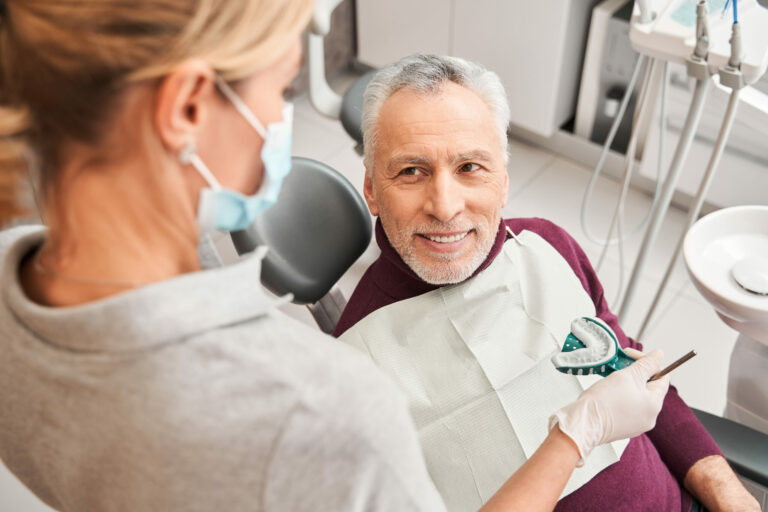
Digital impressions or traditional molds are taken to create your custom appliance. Modern digital scanning technology provides precise measurements while offering greater comfort than traditional impression materials.
Custom Fitting and Adjustment Process
Appliance fabrication typically takes 2-3 weeks using specialized dental laboratories that create sleep appliances to precise specifications. Your custom device is designed specifically for your anatomy and treatment requirements based on your sleep study results.
The fitting appointment involves careful placement and initial adjustment of your appliance to ensure proper retention and comfort. We provide detailed instructions for daily use, cleaning procedures, and what to expect during the adjustment period.
Follow-up appointments allow for fine-tuning of the appliance positioning to optimize treatment effectiveness. Most patients require 2-3 adjustment visits over the first few months to achieve the optimal therapeutic position while maintaining comfort for nightly use.
Sleep Apnea Treatment Cost and Insurance Coverage
Oral appliance therapy costs typically range from $1,500 to $3,000 for custom-fitted devices, including consultation, fitting, and initial adjustments. While this represents a significant upfront investment, many patients find the long-term cost of ownership favorable compared to CPAP therapy when considering equipment replacement, supplies, and maintenance over time.
Total cost comparison with CPAP therapy should include ongoing expenses for masks, tubing, filters, and machine replacements every 5-7 years. CPAP supplies alone can cost $300-500 annually, making oral appliances cost-competitive over time, especially considering their typical 5-10 year lifespan with proper care.
Payment options may include insurance coverage, flexible spending accounts, and financing plans to make treatment accessible. We work with patients to understand their coverage options and develop payment strategies that fit their budgets.
Insurance Coverage for Sleep Apnea Treatment
Medical insurance typically covers oral appliances when prescribed by a sleep physician for diagnosed obstructive sleep apnea, similar to CPAP therapy coverage. Coverage falls under your medical benefits, not dental insurance, since this is treatment for a medical condition.
Required documentation includes your sleep study results, physician prescription, and evidence that oral appliance therapy is medically necessary for your condition. Patients who are CPAP intolerant often have straightforward approval processes, while those choosing oral appliances as first-line treatment may need additional documentation.
Medicare coverage is available for oral appliances under specific criteria, including physician prescription and supplier enrollment requirements. We assist patients with understanding their coverage options and obtaining necessary prior authorizations when required.
Finding Qualified Sleep Apnea Treatment in Camden
Choosing qualified providers for your sleep apnea care ensures you receive evidence-based treatment with optimal outcomes. Look for sleep medicine physicians who are board-certified and dental practitioners with specific training in sleep medicine and oral appliance therapy.
The most effective sleep apnea treatment requires coordination between your sleep physician and dental sleep medicine practitioner. This collaborative approach ensures proper diagnosis, appropriate treatment selection, and ongoing monitoring for treatment effectiveness and potential complications.
At our Camden practice, we maintain active relationships with area sleep medicine specialists, including those at Cooper University Hospital sleep center and other qualified sleep disorders centers in South Jersey. This network approach provides patients with seamless care coordination and comprehensive treatment options.
Collaborative Care: Sleep Physicians and Dental Sleep Medicine
Team-based care represents the gold standard for sleep apnea treatment, combining medical expertise in sleep disorders with dental knowledge of oral appliance therapy. Your sleep physician provides ongoing medical management while your dental sleep medicine practitioner handles appliance fitting, adjustments, and maintenance.
Regular communication between providers ensures treatment modifications based on your response to therapy, changes in your condition, or side effects that may develop. This collaboration is particularly important for follow-up sleep studies that verify treatment effectiveness and guide any necessary adjustments.
Shared treatment goals focus on achieving optimal sleep quality, reducing health risks associated with untreated sleep apnea, and maintaining long-term treatment compliance. This comprehensive approach addresses both immediate symptom relief and long-term health outcomes.
Get Expert Sleep Apnea Treatment in Camden
Sleep apnea significantly impacts your health, relationships, and quality of life, but effective treatment options are available right here in Camden. Whether you’re seeking an alternative to CPAP therapy or exploring your initial treatment options, oral appliance therapy may provide the comfortable, effective solution you need for better sleep and improved health.
Our practice specializes in collaborative sleep medicine care, working closely with area sleep physicians to provide comprehensive oral appliance therapy for qualified patients. With extensive experience in dental sleep medicine and a commitment to evidence-based treatment approaches, we help patients achieve successful long-term management of their sleep apnea. Contact us today to schedule your consultation and take the first step toward better sleep and improved health.