Painless Root Canal Brooklyn: Modern Technology Makes Treatment Comfortable
If you’ve been putting off a root canal because you’re afraid it will hurt, you’ll be relieved to know that modern root canal treatment in Brooklyn is virtually painless. Thanks to advanced anesthesia techniques, revolutionary rotary technology, and precise digital imaging, today’s endodontic procedures are comfortable and efficient. The reputation root canals have for being painful comes from outdated procedures and the confusion between the pain caused by an infected tooth versus the actual treatment that relieves it.
At practices throughout Brooklyn—from Park Slope to Williamsburg to Brooklyn Heights—experienced endodontists use state-of-the-art technology to ensure patients experience minimal discomfort during root canal therapy. Most patients are surprised to discover that the procedure feels no different than getting a regular filling, and many report immediate relief from the severe tooth pain they experienced before treatment.
What Makes Root Canal Treatment Painless Today?
The days of painful root canals are long gone. Modern endodontic treatment has evolved dramatically, incorporating advanced technologies and techniques that prioritize patient comfort throughout the entire process.
Advanced Anesthesia Techniques
Today’s local anesthesia is incredibly effective at completely numbing the treatment area. Endodontists use precise injection techniques and high-quality anesthetic agents that ensure you won’t feel any pain during the procedure. For patients with dental anxiety, additional sedation options are available, including nitrous oxide (laughing gas) and conscious sedation, which help you relax while remaining fully aware and responsive.
The key difference from decades past is that modern anesthetics are more potent and longer-lasting. Your endodontist will ensure you’re completely comfortable before beginning any work, and additional anesthesia can be administered if needed during the procedure.
Revolutionary Rotary Endodontic Technology
One of the biggest advances in painless root canal treatment is the switch from manual instruments to rotary endodontic systems. These electric handpieces use nickel-titanium files that clean and shape the root canals much more efficiently than traditional hand files. The result is a faster, more comfortable procedure with less post-treatment discomfort.
Rotary instruments also allow for more precise cleaning of the infected tooth pulp, reducing the chance of reinfection and improving long-term success rates. What used to take multiple lengthy appointments can often be completed in just one or two visits.
How Modern Root Canal Procedures Work
Understanding what happens during a root canal can help ease anxiety about the treatment. Modern procedures are straightforward and follow a systematic approach that prioritizes your comfort.
Digital Imaging and Precise Diagnosis
Before treatment begins, your endodontist will take digital X-rays to get a clear picture of the tooth’s internal structure. Some practices also use 3D imaging technology that provides even more detailed views of the root canals. This precise imaging allows for accurate diagnosis and treatment planning, ensuring the procedure is as efficient as possible.
Digital imaging also helps identify any complications before treatment begins, allowing your endodontist to explain exactly what to expect and how long the procedure will take.
Step-by-Step Painless Procedure
The actual root canal procedure follows a proven sequence designed for maximum comfort:
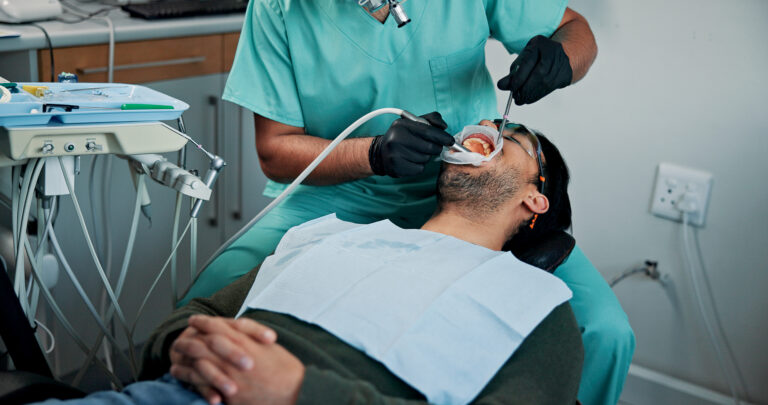
First, local anesthesia is administered to completely numb the tooth and surrounding area. Once you’re comfortable, your endodontist creates a small access hole in the tooth to reach the infected pulp. Using the advanced rotary instruments, they carefully remove the infected or inflamed tissue from inside the root canals.
The canals are then thoroughly cleaned and disinfected to eliminate any remaining bacteria. After cleaning, the empty space is filled with a biocompatible material called gutta-percha, and the access hole is sealed with a temporary filling. In most cases, you’ll return for a second appointment to have a permanent crown placed to restore the tooth’s full strength and appearance.
Throughout this entire process, most patients report feeling only slight pressure or vibration—no pain. The procedure typically takes 60 to 90 minutes, depending on the complexity of the case.
Why Root Canals Have a Bad Reputation
The fear surrounding root canals stems largely from misconceptions about what causes the pain and how the procedure has evolved over the decades.
The Truth About Root Canal Pain
Here’s something many people don’t realize: the excruciating pain you feel before a root canal comes from the infection in your tooth, not from the root canal treatment itself. When the nerve inside your tooth becomes infected or severely inflamed, it creates intense pressure and throbbing pain that can be unbearable.
The root canal procedure actually eliminates this pain by removing the infected nerve tissue. Many patients experience immediate relief as soon as the pressure from the infection is released during treatment. At our Brooklyn practice, we often hear patients say they wish they hadn’t waited so long to get the treatment.
How Technology Changed Everything
Twenty years ago, root canal procedures were indeed more uncomfortable. Endodontists relied on hand instruments that required more force and time to clean the canals thoroughly. Local anesthetics weren’t as effective, and the techniques for managing patient comfort were limited.
Today’s rotary endodontic technology, combined with improved anesthesia and sedation options, has transformed the experience entirely. The precision of modern instruments means less trauma to surrounding tissues and faster healing times.
Finding the Right Endodontist in Brooklyn
Choosing the right specialist for your painless root canal treatment is crucial for ensuring a comfortable experience and successful outcome.
What to Look for in a Brooklyn Root Canal Specialist
When selecting an endodontist in Brooklyn, look for someone who uses modern rotary endodontic technology and offers multiple sedation options for anxious patients. Board-certified endodontists have completed additional years of specialized training beyond dental school, focusing specifically on root canal therapy and other procedures involving the tooth’s interior.
Experience matters significantly in endodontic treatment. An experienced endodontist will have performed thousands of procedures and can handle even complex cases efficiently. They should also have a track record of successful outcomes and satisfied patients who can attest to the comfort of their procedures.
Brooklyn Neighborhoods We Serve
Quality endodontic care is accessible throughout Brooklyn’s diverse neighborhoods. Whether you’re in Park Slope, Brooklyn Heights, Williamsburg, Crown Heights, or any other area of the borough, you can find skilled endodontists who prioritize patient comfort and use the latest technology.
Many Brooklyn endodontists also serve patients from nearby Manhattan and Queens, making convenient scheduling possible even if you work or live just outside the borough.
Root Canal vs Tooth Extraction
When facing a severely damaged or infected tooth, you might wonder whether it’s better to save the tooth with a root canal or simply have it extracted.
Why Saving Your Natural Tooth Matters
Preserving your natural tooth through root canal treatment is almost always the better choice. Your natural tooth root provides important stimulation to the jawbone that helps maintain bone density. When a tooth is extracted, this stimulation is lost, and the bone in that area begins to deteriorate over time.
Additionally, saving your natural tooth maintains proper spacing and alignment of your other teeth. When a tooth is removed, adjacent teeth may shift into the empty space, potentially causing bite problems and making cleaning more difficult.
Long-term Cost Comparison
While a root canal might seem more expensive initially, it’s typically more cost-effective in the long run. After tooth extraction, you’ll likely need a dental implant, bridge, or partial denture to replace the missing tooth—procedures that can cost significantly more than root canal treatment.
Root canal therapy has a success rate of over 95% for preserving natural teeth long-term, making it a reliable investment in your oral health.
Root Canal Cost and Insurance in Brooklyn
Understanding the financial aspects of root canal treatment helps you make informed decisions about your dental care.
Average Root Canal Prices in Brooklyn
Root canal costs in Brooklyn typically range from $800 to $1,500, depending on which tooth requires treatment. Front teeth (incisors and canines) are generally less expensive to treat because they have fewer roots, while molars cost more due to their complex root structure.
These prices usually include the root canal procedure itself but may not include the permanent crown that’s often needed afterward. Your endodontist will provide a detailed treatment plan with all associated costs before beginning treatment.
Insurance Coverage and Payment Options
Most dental insurance plans cover 50% to 80% of endodontic treatment costs, significantly reducing your out-of-pocket expense. Many Brooklyn endodontists work directly with insurance companies to maximize your benefits and minimize paperwork.
For patients without insurance or those facing high deductibles, flexible payment plans are often available. Some practices also accept CareCredit and other healthcare financing options that allow you to spread the cost over several months.
What to Expect During Recovery
Recovery from modern root canal treatment is typically much easier than patients anticipate, with most people returning to normal activities within a day or two.
Managing Discomfort After Treatment
While the procedure itself is painless, you may experience some mild sensitivity or discomfort for a few days afterward as the surrounding tissues heal. This post-treatment discomfort is usually manageable with over-the-counter pain medication like ibuprofen or acetaminophen.
Your endodontist will provide specific aftercare instructions, which typically include avoiding hard or chewy foods for a few days and maintaining good oral hygiene around the treated area. Most patients find that any discomfort subsides within 24 to 48 hours.
Signs of Successful Healing
Successful healing after root canal treatment includes the gradual reduction of any post-procedure sensitivity and the absence of pain when biting or chewing. You should be able to return to eating normally within a week of treatment.
If you experience severe pain, swelling, or other concerning symptoms after your procedure, contact your endodontist immediately. However, complications are rare with modern root canal therapy.
Emergency Root Canal Services in Brooklyn
Sometimes tooth pain doesn’t wait for a convenient appointment time, making emergency endodontic care essential.
When You Need Immediate Treatment
Severe tooth pain, especially pain that wakes you up at night or interferes with daily activities, often indicates the need for emergency root canal treatment. Other warning signs include prolonged sensitivity to hot or cold, swelling around the tooth, or a persistent bad taste in your mouth.
Many Brooklyn endodontists offer same-day emergency appointments for patients experiencing severe tooth pain. Don’t wait and hope the pain will go away—infected tooth pulp rarely heals on its own and typically gets worse without treatment.
Same-Day Pain Relief Options
Emergency root canal treatment can often provide immediate pain relief by removing the source of infection and pressure. Even if the complete procedure can’t be finished in one emergency visit, your endodontist can provide significant pain relief and prescribe antibiotics if needed to control infection until treatment is completed.
Get Expert Root Canal Care in Brooklyn
Don’t let fear of pain prevent you from getting the dental care you need. Modern painless root canal treatment in Brooklyn combines advanced technology with compassionate care to ensure your comfort throughout the entire process. With experienced endodontists using state-of-the-art rotary instruments and effective anesthesia techniques, you can expect a comfortable procedure and quick recovery.
If you’re experiencing tooth pain or have been told you need a root canal, contact our experienced team today. We specialize in painless endodontic procedures and work with most insurance plans to make treatment affordable. Call us to schedule your consultation and take the first step toward pain-free dental health.