Sedation Dentistry in Edison: Comfortable Dental Care Without Anxiety
If the thought of visiting the dentist makes your heart race, you’re not alone. Sedation dentistry in Edison offers a safe, effective solution that transforms dental visits from anxiety-inducing experiences into comfortable, relaxed appointments. Whether you need a simple cleaning or complex dental work, sedation options help millions of patients receive the care they need without fear or discomfort.
Dental anxiety affects up to 75% of adults, ranging from mild uneasiness to severe phobia that prevents people from seeking necessary treatment. At our Edison practice, we understand that avoiding dental care due to fear can lead to serious oral health problems. That’s why we offer multiple sedation options designed to help you feel completely at ease during your visit.
From nitrous oxide for gentle relaxation to IV sedation for deeper procedures, sedation dentistry allows you to overcome dental fears while maintaining your safety and comfort. Our certified sedation specialists in Edison use FDA-approved techniques with comprehensive monitoring to ensure your experience is both pleasant and secure.
What Is Sedation Dentistry and How Does It Work?
Sedation dentistry uses safe, controlled medications to help patients relax during dental procedures. Unlike what many people think, most sedation doesn’t put you completely to sleep—instead, it creates a calm, comfortable state where you remain responsive but deeply relaxed. This allows your dentist to perform necessary treatments while you feel minimal anxiety or discomfort.
The medications work by affecting your central nervous system, reducing the brain’s response to stress and fear. Depending on the type of sedation, you might experience anything from mild relaxation to a sleep-like state where you have little memory of the procedure afterward.
Understanding Different Levels of Consciousness
Sedation dentistry operates on four distinct levels, each offering different degrees of relaxation:
Minimal sedation keeps you awake but relaxed, with reduced anxiety and slight drowsiness. You can respond normally to verbal commands and physical stimulation. Nitrous oxide falls into this category.
Moderate sedation (conscious sedation) produces deeper relaxation where you may slur words and not remember much of the procedure. You still respond to verbal commands but feel significantly more comfortable.
Deep sedation puts you on the edge of consciousness—you can still be awakened but probably won’t remember the procedure. IV sedation often achieves this level.
General anesthesia renders you completely unconscious and unresponsive, requiring specialized equipment and highly trained professionals.
Common Myths About Dental Sedation
Many patients worry unnecessarily about sedation safety due to common misconceptions. The term “sleep dentistry” often confuses people—most dental sedation keeps you awake and breathing on your own, not truly asleep like general anesthesia.
Another myth suggests sedation is only for major surgery. In reality, sedation helps with routine cleanings, fillings, and preventive care for anxious patients. Safety concerns, while understandable, are largely unfounded when proper protocols are followed by certified providers.
Types of Dental Sedation Available in Edison
Edison area patients can choose from several sedation options, each designed for different anxiety levels and procedure types. Your sedation dentist will recommend the best option based on your medical history, anxiety level, and planned treatment.
Nitrous Oxide (Laughing Gas) Sedation
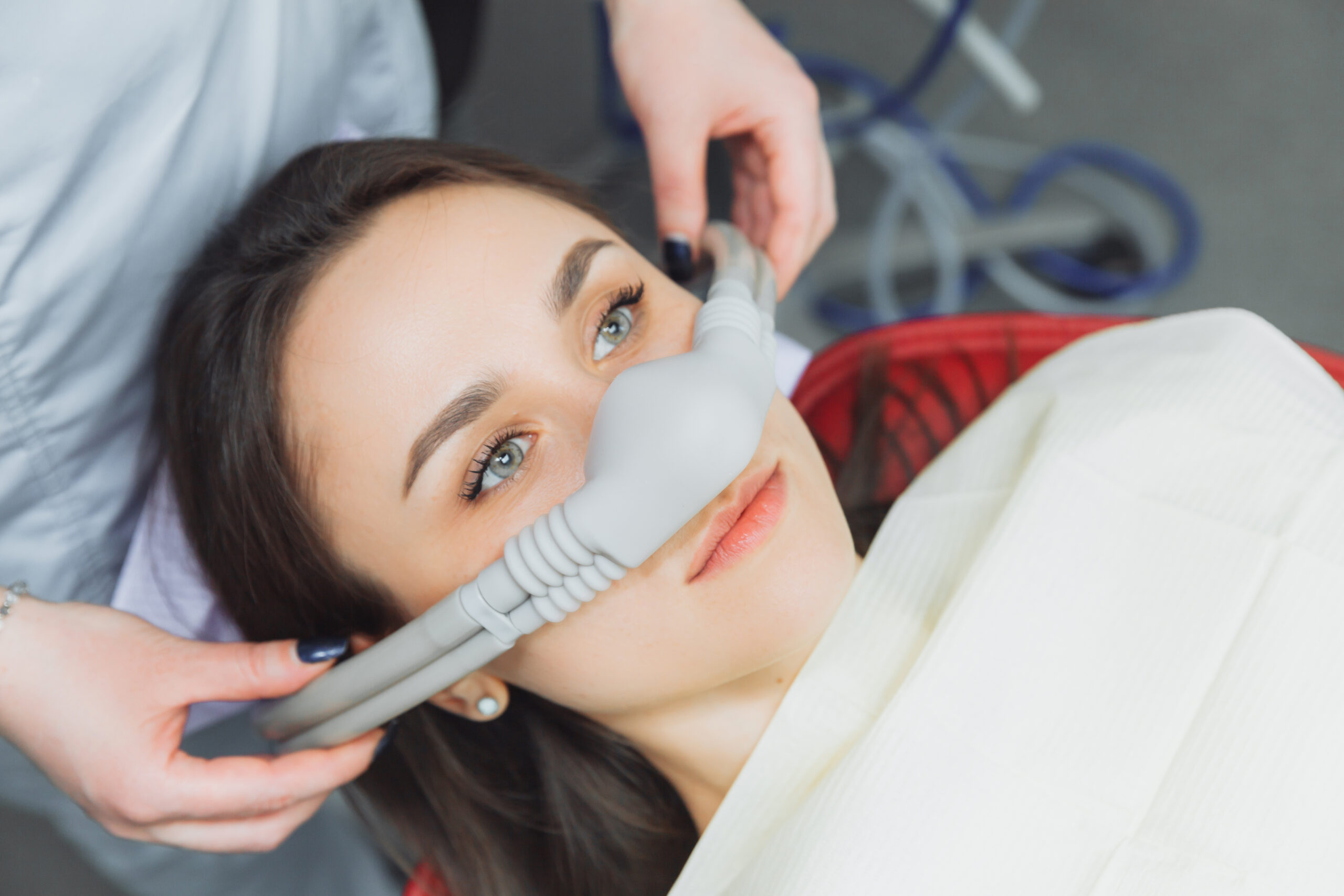
Nitrous oxide provides the mildest form of sedation, perfect for patients with mild to moderate dental anxiety. You breathe the colorless, odorless gas through a small mask placed over your nose, feeling relaxed and euphoric within minutes.
The effects wear off quickly once the mask is removed, allowing you to drive yourself home and return to normal activities immediately. This makes nitrous oxide ideal for routine cleanings, fillings, and shorter procedures. At our Edison practice, we find many patients prefer this option for its convenience and gentle effects.
Oral Conscious Sedation
Oral sedation involves taking prescribed medication, typically a benzodiazepine like Halcion or Valium, about an hour before your appointment. This creates moderate sedation where you remain conscious but deeply relaxed, with little memory of the procedure.
You’ll feel drowsy and may even doze off, but your dentist can easily wake you with verbal commands. The effects last several hours, requiring a responsible adult to drive you to and from your appointment. This option works well for longer procedures and patients with moderate to severe dental anxiety.
IV Sedation Dentistry
Intravenous sedation delivers medication directly into your bloodstream, allowing precise control over your sedation level. This produces deep sedation where you remain technically conscious but have little awareness of your surroundings and minimal memory of the procedure.
IV sedation requires extensive monitoring of your heart rate, blood pressure, and oxygen levels throughout the procedure. Only specially trained dentists with proper certification can administer IV sedation, making it crucial to verify your provider’s credentials. This option suits complex procedures like dental implant placement or multiple extractions.
General Anesthesia for Dental Procedures
General anesthesia renders you completely unconscious and is reserved for extensive oral surgery or patients with severe medical conditions. This typically requires a hospital setting or specialized surgical facility with an anesthesiologist present.
Recovery takes longer, and you’ll need someone to care for you for several hours after the procedure. While rarely necessary for routine dental work, general anesthesia ensures patient safety during complex oral surgeries.
Safety Protocols and Monitoring in Sedation Dentistry
Patient safety remains the top priority in sedation dentistry, with strict protocols governing every aspect of care. Modern sedation techniques have excellent safety records when administered by properly trained professionals following established guidelines.
Pre-Procedure Screening and Medical History Review
Before any sedation, your dentist conducts a thorough medical evaluation to identify potential risks or contraindications. This includes reviewing your medical history, current medications, allergies, and previous experiences with sedation or anesthesia.
Certain medical conditions—such as severe heart disease, uncontrolled diabetes, or respiratory problems—may require medical clearance from your physician. Age, weight, and medication interactions also factor into sedation planning. This comprehensive screening ensures sedation remains safe and appropriate for your specific situation.
During-Procedure Monitoring and Emergency Preparedness
Throughout your sedation appointment, trained staff continuously monitor your vital signs using specialized equipment. This includes pulse oximetry to measure oxygen levels, blood pressure monitoring, and heart rate tracking.
Emergency medications and equipment remain immediately available, and staff maintain current CPR and emergency response certifications. The American Dental Association requires specific training and certification for dentists providing sedation, ensuring they can handle any situation that might arise.
Are You a Good Candidate for Dental Sedation?
Most healthy adults make excellent candidates for some form of dental sedation, but individual factors determine which option suits you best. Your anxiety level, medical history, and planned procedures all influence sedation recommendations.
Dental Anxiety and Phobia Considerations
Dental anxiety manifests differently for each person. Some experience mild nervousness, while others have full panic attacks at the thought of dental treatment. Sedation options scale to match your anxiety level—nitrous oxide for mild nervousness, oral sedation for moderate fear, and IV sedation for severe dental phobia.
Many patients develop dental anxiety from traumatic childhood experiences or previous uncomfortable procedures. These fears are completely valid and treatable through appropriate sedation. Don’t let embarrassment about dental fear prevent you from seeking the comfortable care you deserve.
Medical Conditions and Sedation Safety
Certain medical conditions require special consideration for sedation dentistry. Sleep apnea, respiratory problems, and heart conditions may limit sedation options or require additional monitoring. However, many patients with medical conditions can still receive safe sedation with proper precautions.
Age affects sedation candidacy as well. While pediatric sedation requires specialized training and protocols, children often benefit greatly from sedation dentistry. Elderly patients may be more sensitive to sedation medications, requiring adjusted dosing and extended monitoring.
Procedures That Benefit from Sedation
Complex procedures like wisdom teeth removal, dental implant placement, and multiple restorations often warrant sedation to ensure patient comfort. Even routine procedures benefit anxious patients who might otherwise avoid necessary care.
Long appointments—lasting more than an hour—become much more comfortable with sedation. Patients with sensitive gag reflexes, difficulty sitting still, or jaw problems also find sedation helpful for maintaining comfort during treatment.
What to Expect During Your Sedation Dentistry Experience
Understanding the sedation process helps reduce anxiety and ensures everything goes smoothly on your appointment day. Each sedation type has specific requirements and expectations for optimal results.
Pre-Appointment Preparation and Instructions
Most sedation requires fasting for several hours before your appointment—typically no food or drink except water for 6-8 hours before oral or IV sedation. Your dentist provides detailed pre-operative instructions specific to your sedation type.
Arrange transportation to and from your appointment, as you cannot drive while sedation effects remain active. Wear comfortable, loose-fitting clothing and remove contact lenses if you wear them. Take any prescribed pre-medications exactly as instructed by your dental team.
Recovery Time and Post-Procedure Care
Recovery varies significantly between sedation types. Nitrous oxide effects disappear within minutes, allowing immediate return to normal activities. Oral and IV sedation require 2-4 hours of supervised recovery time, during which you should rest and avoid important decisions.
Most patients feel groggy for several hours after moderate to deep sedation. Plan to take the rest of the day off work or school, and avoid alcohol, driving, or operating machinery until effects completely wear off. Your responsible adult companion should stay with you until you’re fully alert.
Sedation Dentistry Cost and Insurance Coverage
Sedation costs vary based on the type used and procedure length. Nitrous oxide typically costs $50-100 per appointment, while oral sedation ranges from $150-400. IV sedation can cost $400-800, depending on the complexity and duration of your procedure.
Insurance Coverage for Dental Sedation
Insurance coverage for sedation depends on medical necessity rather than patient preference. Most insurance plans cover sedation for oral surgery procedures but may not cover it for routine cleanings unless you have a documented anxiety disorder or medical condition requiring sedation.
Medical insurance sometimes covers sedation when dental insurance doesn’t, particularly for patients with documented anxiety disorders or medical conditions. Pre-authorization may be required, so discuss coverage options with both your dental office and insurance provider before scheduling.
Making Sedation Dentistry Affordable
Many Edison dental offices offer payment plans or financing options to make sedation dentistry more accessible. Consider the long-term costs of avoiding dental care due to anxiety—delayed treatment often results in more complex, expensive procedures later.
The peace of mind and improved oral health from regular dental care often justify sedation costs. When you can receive comfortable, anxiety-free treatment, you’re more likely to maintain consistent dental visits and prevent serious problems.
Finding Qualified Sedation Dentists in Edison and Middlesex County
Choosing a qualified sedation provider ensures your safety and comfort throughout the experience. Not all dentists offer sedation services, and those who do require specialized training and certification.
Credentials and Certification Requirements
In New Jersey, dentists must complete specific training programs and maintain certifications to provide different levels of sedation. Nitrous oxide requires basic training, while IV sedation demands extensive coursework, clinical experience, and ongoing education.
Verify your dentist’s credentials through the New Jersey State Board of Dentistry website. Look for certifications in sedation dentistry, advanced cardiac life support (ACLS), and pediatric advanced life support (PALS) if you’re seeking treatment for children.
Questions to Ask Your Edison Sedation Dentist
Before committing to sedation dentistry, ask about your dentist’s experience with your specific anxiety level and planned procedures. How many sedation cases do they perform monthly? What emergency protocols do they follow? How do they monitor patients during sedation?
Inquire about their training background and continuing education in sedation techniques. A qualified provider will gladly discuss their credentials and safety protocols. They should also explain all sedation options available and help you choose the best fit for your needs.
Frequently Asked Questions About Sedation Dentistry in Edison
Is Dental Sedation Safe for Children?
Pediatric sedation requires specialized training and protocols but can be very safe when properly administered. Children often benefit greatly from sedation, especially for longer procedures or if they have special needs that make traditional dental care challenging.
The American Academy of Pediatric Dentistry provides specific guidelines for pediatric sedation, including weight-based dosing and enhanced monitoring requirements. Always verify that your child’s dentist has appropriate pediatric sedation training and certification.
How Long Do Sedation Effects Last?
Nitrous oxide effects disappear within 5-10 minutes after the mask is removed. Oral sedation typically lasts 2-6 hours, depending on the medication and dosage used. IV sedation effects usually wear off within 1-4 hours, though you may feel drowsy for the remainder of the day.
Individual factors like age, weight, metabolism, and medication sensitivity affect recovery time. Your dental team will monitor your recovery and ensure you’re alert enough to leave safely with your companion.
Can I Drive After Dental Sedation?
Never drive after receiving oral or IV sedation, even if you feel alert. Sedation medications can impair judgment and reaction times for hours after you feel “normal.” Nitrous oxide is the only sedation that allows driving immediately after treatment.
Plan for transportation to and from your appointment when receiving any sedation beyond nitrous oxide. This ensures your safety and the safety of others on the road.
Experience Comfortable, Anxiety-Free Dental Care in Edison
Don’t let dental anxiety prevent you from maintaining your oral health any longer. Sedation dentistry offers safe, effective solutions that transform stressful dental visits into comfortable, relaxed experiences. Whether you need routine care or complex treatment, the right sedation option can help you receive the dental care you deserve without fear or discomfort.
At our practice, we’re committed to helping anxious patients overcome their fears through compassionate care and proven sedation techniques. Our certified sedation specialists work with each patient to develop personalized treatment plans that address both dental needs and anxiety levels. With years of experience helping nervous patients throughout Middlesex County, we understand how to create a calm, supportive environment where you can feel completely at ease. Contact us today to discover how sedation dentistry can change your relationship with dental care forever.