Senior Dentist Cherry Hill: Specialized Dental Care for Elderly Patients
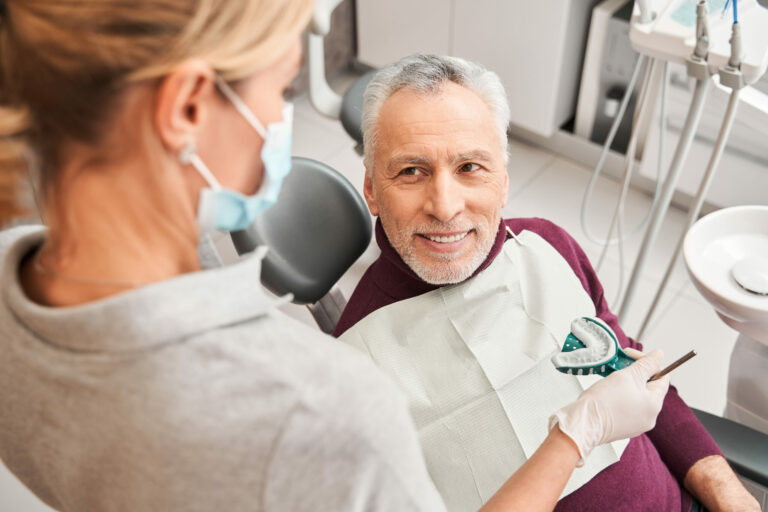
Finding the right dental care becomes increasingly important as we age, and senior dentist Cherry Hill services offer specialized approaches that address the unique oral health challenges facing elderly patients. Unlike general dental practices, geriatric dentistry focuses on age-related conditions like dry mouth from medications, gum recession, and tooth loss while providing gentle, comfortable treatment options that accommodate mobility concerns and medical complexities.
At practices specializing in senior dental care, we understand that aging brings distinct oral health changes requiring modified treatment approaches. These include managing the effects of multiple medications on oral tissues, addressing decreased saliva production, and providing accessible care for patients with mobility limitations or cognitive changes. The goal is maintaining both oral health and overall quality of life through dignified, patient-centered care.
Cherry Hill senior dental specialists combine advanced dental techniques with compassionate care, offering everything from preventive treatments to complex restorations while coordinating with medical providers to ensure safe, effective treatment for elderly patients throughout South Jersey.
Understanding Age-Related Oral Health Changes
As we age, our mouths undergo significant changes that affect both oral health and treatment approaches. Recognizing these changes helps seniors and their families make informed decisions about dental care and understand why specialized geriatric dentistry becomes essential.
Common Dental Problems in Seniors
Dry mouth (xerostomia) affects nearly 40% of seniors, primarily caused by medications rather than aging itself. Over 400 commonly prescribed medications reduce saliva production, including blood pressure medications, antidepressants, antihistamines, and pain relievers. This condition dramatically increases cavity risk since saliva naturally cleanses teeth and neutralizes harmful acids.
Gum recession exposes tooth roots, creating sensitivity to hot, cold, and sweet foods while making these areas more vulnerable to decay. Root surfaces lack the protective enamel covering found on tooth crowns, making them particularly susceptible to cavities that can develop rapidly in senior patients.
Tooth loss becomes more common due to accumulated effects of gum disease, decay, and wear over time. Missing teeth affect nutrition, speech, and self-confidence while potentially altering facial structure and remaining tooth positions.
How Medications Affect Oral Health
Many seniors take multiple medications that significantly impact oral health beyond causing dry mouth. Blood thinners like warfarin complicate dental extractions and surgical procedures, requiring careful coordination with physicians and sometimes medication adjustments before treatment.
Bisphosphonates, commonly prescribed for osteoporosis, can affect jaw bone healing and require special precautions during extractions or oral surgery. Diabetes medications work alongside blood sugar management, but uncontrolled diabetes severely impacts healing after dental procedures and increases infection risk.
At our Cherry Hill practice, we maintain comprehensive medication lists for all senior patients and coordinate with medical providers to ensure safe, effective dental treatment that considers all drug interactions and medical conditions.
The Connection Between Overall Health and Dental Care
The mouth-body connection becomes particularly significant in elderly patients. Gum disease increases inflammation throughout the body, potentially worsening heart disease, diabetes, and stroke risk. Poor oral health can also lead to nutritional deficiencies when chewing becomes difficult or painful.
Oral cancer risk increases with age, making regular screenings essential. Early detection significantly improves treatment outcomes, and dental professionals are often the first to identify suspicious changes during routine examinations.
Specialized Dental Services for Cherry Hill Seniors
Senior-focused dental care requires modified approaches that prioritize comfort, safety, and accommodation of age-related changes. These services go beyond standard dental treatments to address the specific needs of elderly patients.
Gentle Dental Techniques for Elderly Patients
Longer appointment times allow for thorough explanations, frequent breaks, and patient positioning adjustments. Senior patients often need extra time to understand treatment options and feel comfortable with procedures.
Modified instruments and techniques accommodate sensitive tissues and reduced jaw opening common in elderly patients. Softer dental materials and gentler cleaning techniques prevent discomfort while maintaining treatment effectiveness.
Temperature-controlled environments and comfortable seating with back support help seniors remain relaxed during treatments. Many practices offer pillows, blankets, and frequent position changes to prevent stiffness during longer procedures.
Sedation Dentistry for Senior Dental Anxiety
Dental anxiety affects many seniors, often stemming from past uncomfortable experiences or fear of pain. Nitrous oxide (laughing gas) provides safe, effective relaxation for elderly patients without affecting consciousness or requiring recovery time.
Oral sedation using carefully monitored medications can help extremely anxious patients receive necessary care. However, senior patients require adjusted dosages and careful monitoring due to age-related changes in drug metabolism.
All sedation options require medical clearance and coordination with physicians, especially for patients with heart conditions, breathing problems, or cognitive impairment.
Preventive Care Strategies for Aging Teeth
Fluoride treatments become particularly important for seniors due to increased cavity risk from dry mouth and exposed root surfaces. Professional fluoride applications provide stronger protection than over-the-counter products.
Saliva substitutes and stimulants help manage dry mouth symptoms between dental visits. Prescription-strength products often work better than drugstore alternatives for severe xerostomia.
Adaptive oral hygiene tools accommodate arthritis and decreased dexterity. Electric toothbrushes, floss holders, and ergonomic handles make daily care easier and more effective for seniors with mobility limitations.
Tooth Replacement Options for Senior Patients
When tooth loss occurs, seniors have several replacement options, each with unique benefits and considerations. The best choice depends on overall health, bone density, remaining teeth, and personal preferences.
Dental Implants for Seniors in Cherry Hill
Dental implants offer the most natural tooth replacement option with 95-98% success rates in healthy seniors. These titanium posts integrate with jaw bone, providing stable support for crowns, bridges, or dentures while preserving surrounding bone structure.
Age alone doesn’t disqualify implant candidacy, but bone density assessment becomes crucial. Many seniors have adequate bone for successful implant placement, and bone grafting can improve candidacy when needed.
Medical considerations include uncontrolled diabetes, active cancer treatment, and certain medications like bisphosphonates. Most seniors with well-managed health conditions are excellent implant candidates.
Full and Partial Dentures for Elderly Patients
Complete dentures replace all teeth when extensive tooth loss has occurred. Modern dentures offer improved fit, appearance, and function compared to older designs, though adjustment periods are normal.
Partial dentures work when some healthy teeth remain, using clasps or precision attachments for retention. These preserve remaining teeth while restoring chewing function and appearance.
Proper fitting requires multiple appointments and adjustments as mouth tissues adapt. Senior patients often need more frequent denture adjustments due to continued bone changes over time.
Implant-Supported Dentures vs Traditional Dentures
Implant-supported dentures combine denture affordability with implant stability. Just 2-4 implants can dramatically improve denture retention and chewing ability while reducing sore spots and slipping.
Traditional dentures rely on suction and adhesives for retention, which becomes challenging as bone levels decrease over time. Many seniors struggle with loose lower dentures that affect eating and speaking confidence.
Cost considerations make traditional dentures more accessible initially, but implant-supported options often provide better long-term value through improved function and reduced adjustment needs.
Accessibility and Comfort Features for Senior Patients
Creating a welcoming, accessible environment enables seniors to receive necessary dental care with dignity and comfort. These features address both physical limitations and communication needs.
Wheelchair Accessible Dental Office Design
Ground-level entrances eliminate steps and barriers, while wide doorways accommodate wheelchairs and mobility devices. Accessible parking with adequate space for patient transfers ensures convenient access.
Height-adjustable treatment chairs and transfer assistance help patients move safely from wheelchairs to dental chairs. Some practices offer specialized treatment chairs designed for wheelchair-bound patients.
Accessible restrooms with grab bars and adequate space provide essential comfort and safety features for elderly patients during longer appointments.
Communication Support for Hearing and Vision Impairments
Clear, slow speech and facing patients directly helps those with hearing difficulties understand treatment explanations. Written instructions supplement verbal communication for important home care directions.
Good lighting and large-print materials accommodate vision changes common in seniors. Magnifying devices help patients read consent forms and treatment information independently.
Family member inclusion in consultations ensures important information reaches patients and caregivers who assist with daily oral care and treatment decisions.
Accommodating Cognitive Changes in Dental Care
Simplified explanations and repeated instructions help patients with mild cognitive impairment understand and remember treatment information. Familiar caregiver presence often reduces anxiety and improves cooperation.
Shorter appointments prevent fatigue and confusion, while consistent dental team members provide familiarity and trust-building over time. Gentle redirection and patience create positive experiences for patients with dementia or cognitive decline.
Medicare and Dental Insurance for Senior Dental Care
Understanding payment options helps seniors access necessary dental care without financial hardship. Medicare dental coverage remains limited, making additional planning essential.
Understanding Medicare Dental Coverage Limitations
Traditional Medicare covers only emergency dental care and procedures required before medical treatments like heart surgery or organ transplants. Routine cleanings, fillings, extractions, and dentures aren’t covered under standard Medicare plans.
Medicare Advantage plans may offer additional dental benefits, but coverage varies significantly between plans. Many provide basic preventive care with limited coverage for major treatments.
Medicaid in New Jersey provides some dental coverage for eligible seniors, though benefits are often restricted to emergency care and basic treatments.
Senior Dental Discount Programs in Cherry Hill
Many dental practices offer senior discount programs or payment plans that make care more affordable. These programs often provide percentage discounts on treatments or reduced fees for specific services.
Dental savings plans function like membership programs, offering reduced fees for members. These plans often provide better value than dental insurance for seniors needing extensive treatment.
CareCredit and similar healthcare financing options allow patients to spread treatment costs over time with low or no-interest payment plans.
Flexible Payment Options for Senior Patients
Treatment planning helps prioritize necessary care within budget constraints. Urgent treatments receive priority, while cosmetic improvements can be phased over time.
Family involvement in payment planning helps when adult children assist with dental expenses. Clear treatment estimates and payment options facilitate family discussions about care priorities.
Emergency Dental Care for Cherry Hill Seniors
Dental emergencies require prompt attention, especially for seniors who may have underlying health conditions that complicate treatment. Understanding when to seek immediate care prevents serious complications.
Common Dental Emergencies in Elderly Patients
Broken dentures significantly impact eating and speaking ability. Many denture breaks can be repaired same-day, restoring function quickly for senior patients who depend on dentures for nutrition.
Severe tooth pain often indicates infection requiring immediate antibiotic therapy, especially dangerous for seniors with heart conditions or compromised immune systems. Prompt treatment prevents serious complications.
Knocked-out teeth or facial trauma from falls need immediate attention. Quick action sometimes allows tooth re-implantation, while delayed treatment may require more complex restoration.
When to Seek Immediate Dental Care
Signs of infection including facial swelling, fever, or difficulty swallowing require emergency treatment. Dental infections can spread rapidly in seniors, potentially causing life-threatening complications.
Uncontrolled bleeding following dental procedures or injury needs immediate attention, especially for patients taking blood thinners who may have difficulty clotting.
Medication-related problems like dry socket after extractions or jaw pain from bisphosphonate use warrant urgent evaluation and treatment modification.
Same-Day Dental Appointments for Urgent Needs
Most senior-focused dental practices reserve time daily for urgent appointments, recognizing that elderly patients cannot always wait for scheduled availability.
Phone triage helps determine urgency levels and appropriate treatment timing. Some problems can be managed with phone guidance until regular appointments become available.
After-hours contact information ensures seniors can reach dental professionals when serious problems develop outside normal business hours.
Get Specialized Senior Dental Care in Cherry Hill Today
Maintaining excellent oral health throughout your senior years requires the expertise of dental professionals who understand the unique challenges and opportunities that come with aging. From managing medication-related dry mouth to providing comfortable tooth replacement options, specialized senior dental care makes all the difference in preserving both oral health and overall quality of life.
Our experienced team provides comprehensive geriatric dentistry Cherry Hill services designed specifically for elderly patients and their families. We offer wheelchair accessibility, gentle treatment techniques, flexible scheduling, and coordination with your medical providers to ensure safe, comfortable care. Whether you need routine preventive care, emergency treatment, or complex restorations, we’re committed to helping you maintain a healthy, confident smile throughout your golden years. Contact us today to schedule your consultation and discover the difference that specialized senior dental care can make.