How to Teach Kids to Brush Their Teeth: Fun and Effective Strategies for Brooklyn Parents
Teaching your children proper brushing habits doesn’t have to be a daily battle. With the right approach, you can transform this essential routine into an enjoyable experience that sets the foundation for lifelong oral health. The key lies in making brushing fun, age-appropriate, and consistent while building positive associations with dental care.
Most children can begin participating in tooth brushing around 12-18 months, though they’ll need supervision and assistance until age 6-8. The goal is establishing a routine that becomes as natural as getting dressed or eating breakfast. At Bitesize Pediatric Dentistry, we work with Brooklyn families daily to help make oral hygiene an engaging part of their children’s lives rather than a source of stress.
Understanding Why Kids Resist Brushing
Before diving into solutions, it’s helpful to understand why children often resist brushing their teeth. Young children may find the sensation uncomfortable, feel overwhelmed by the taste of toothpaste, or simply prefer playing over stopping for hygiene routines. Some kids experience sensory sensitivities that make brushing feel unpleasant, while others resist because they want to assert their independence.
Recognizing that resistance is normal helps you approach the situation with patience and creativity rather than frustration. Remember, your child isn’t being difficult on purpose – they’re simply navigating new experiences and developing their own preferences.
Age-Appropriate Brushing Strategies
Toddlers (12 months – 3 years)
For your youngest brushers, focus on making the experience gentle and positive. Start by letting them explore their toothbrush – many toddlers enjoy chewing on the bristles, which actually helps clean their teeth. Use a soft-bristled toothbrush designed for their age group and a rice-grain sized amount of fluoride toothpaste.
During this stage, you’ll do most of the actual brushing while they “help.” Let them hold the toothbrush handle while you guide their hand. Sing simple songs, make silly faces in the mirror, or create a story about “cleaning the sugar bugs” from their teeth. Keep sessions short – even 30-60 seconds is better than a long, stressful battle.
Preschoolers (3-5 years)
Preschoolers love routine and can handle more responsibility. Increase the toothpaste amount to pea-sized and focus on teaching them to spit rather than swallow. This is an excellent time to introduce brushing games and reward systems.
Create a visual routine chart showing the steps: wet brush, add toothpaste, brush teeth, rinse, and put toothbrush away. Let them check off each step as they complete it. Many children this age respond well to character-themed toothbrushes and toothpaste flavors designed for kids.
School-Age Children (6+ years)
Older children can take more ownership of their brushing routine while still needing supervision. Focus on proper technique and timing – they should brush for a full two minutes, reaching all surfaces of their teeth. This is when you can introduce more sophisticated tools like electric toothbrushes or apps that make timing fun.
Making Brushing Fun and Engaging
Turn It Into a Game
Transform brushing from a chore into playtime with creative games. Try “brushing away the cavity monsters” or pretend the toothbrush is a tiny car washing each tooth. Count teeth as you brush them, or create different “brush strokes” – gentle circles, back-and-forth scrubs, or up-and-down sweeps.
For competitive kids, create challenges like “Who can make the most bubbles?” or “Let’s see who can brush the longest!” Just ensure these games don’t compromise the quality of cleaning.
Use Technology to Your Advantage
Modern technology offers fantastic tools for making brushing engaging. Download apps specifically designed for kids’ oral hygiene that feature timers, games, and rewards. Many apps include popular characters that “brush along” with your child, making the experience feel like playing rather than completing a task.
Electric toothbrushes with built-in timers and fun sounds can also make brushing more appealing. Some even connect to smartphone apps that track brushing habits and provide virtual rewards.
Implement a Reward System
Create a brushing reward chart where children earn stickers or stars for successful brushing sessions. After accumulating a certain number, they can choose a special activity or small prize. Keep rewards simple and health-focused – perhaps a new book, extra playtime, or choosing the family’s weekend activity.
Avoid food-based rewards, especially sugary treats, as these work against your oral health goals. Instead, focus on experiences, privileges, or small toys that reinforce positive behavior.
Essential Brushing Techniques and Tips
The Two-Minute Rule
Children should brush for two full minutes, twice daily. This might seem like an eternity to a young child, so break it into manageable segments. Brush each quadrant of the mouth (upper right, upper left, lower right, lower left) for 30 seconds each, or use songs that last approximately two minutes.
Popular choices include “Happy Birthday” sung four times or “The ABC Song” sung twice. Many families create their own brushing songs or find kid-friendly music that lasts the right amount of time.
Proper Technique Basics
Teach children to hold their toothbrush at a 45-degree angle to their gums and use gentle, circular motions rather than aggressive scrubbing. Show them how to brush all surfaces – the fronts, backs, and chewing surfaces of their teeth. Don’t forget the tongue, which harbors bacteria and contributes to bad breath.
Demonstrate proper spitting technique and explain why they shouldn’t swallow toothpaste. Make sure they rinse thoroughly with water after brushing to remove loosened plaque and excess toothpaste.
Choosing the Right Tools
Select age-appropriate toothbrushes with soft bristles and comfortable grips. The brush head should be small enough to reach all areas of your child’s mouth easily. Replace toothbrushes every three months or after illness to maintain effectiveness and hygiene.
For toothpaste, choose products specifically formulated for children with appropriate fluoride levels. Many kids prefer milder flavors like strawberry or bubble gum over traditional mint, which can feel too strong for young taste buds.
Addressing Common Challenges
Dealing with Resistance and Tantrums
When children refuse to brush, stay calm and patient. Avoid turning brushing into a power struggle, which can create negative associations with oral hygiene. Instead, try offering choices: “Would you like to use the red toothbrush or the blue one?” or “Should we brush to music or count together?”
If your child has a complete meltdown, take a break and try again later. Consistency is important, but forced brushing while a child is extremely upset rarely leads to quality cleaning and can damage their relationship with oral care.
Handling Sensory Issues
Some children have sensory sensitivities that make brushing uncomfortable. Try different toothbrush textures, from extra-soft bristles to textured surfaces. Experiment with toothpaste flavors and textures – some children prefer gel over paste, or unflavored options.
For children who find the sensation overwhelming, start gradually. Let them simply hold the toothbrush in their mouth without moving it, then progress to gentle movements as they become more comfortable.
Transitioning to Independence
The shift from parent-assisted to independent brushing should happen gradually. Around age 6-8, most children develop the dexterity needed for effective brushing, though they still benefit from supervision and occasional assistance.
Continue checking their work and providing guidance. Consider having them brush first, then you “check for spots they missed” and help with areas they couldn’t reach effectively.
Creating a Positive Oral Health Environment
Family Brushing Time
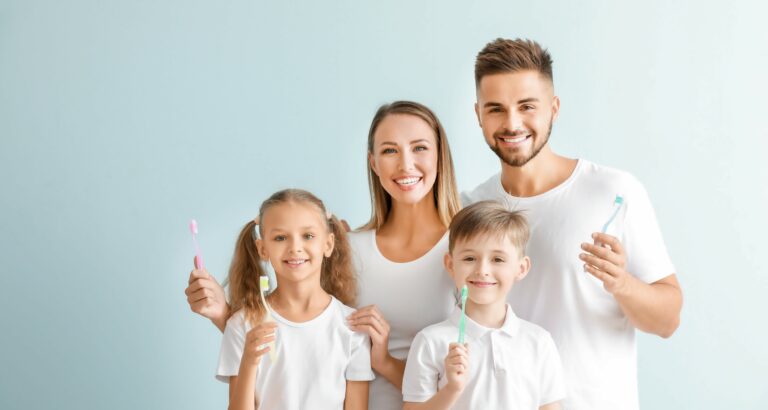
Make oral hygiene a family affair by brushing teeth together. Children learn through imitation, and seeing parents prioritize their oral health reinforces its importance. This also provides opportunities to model proper technique and make brushing feel like quality family time rather than an isolated chore.
Building Positive Dental Associations
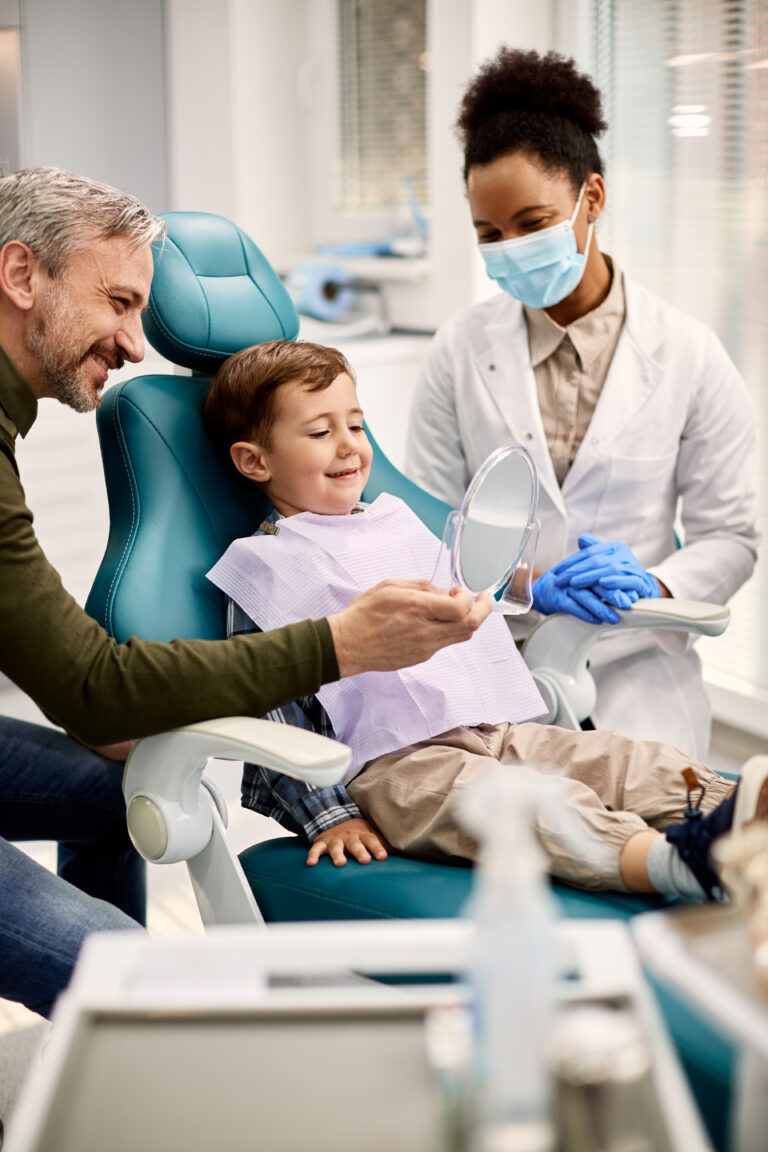
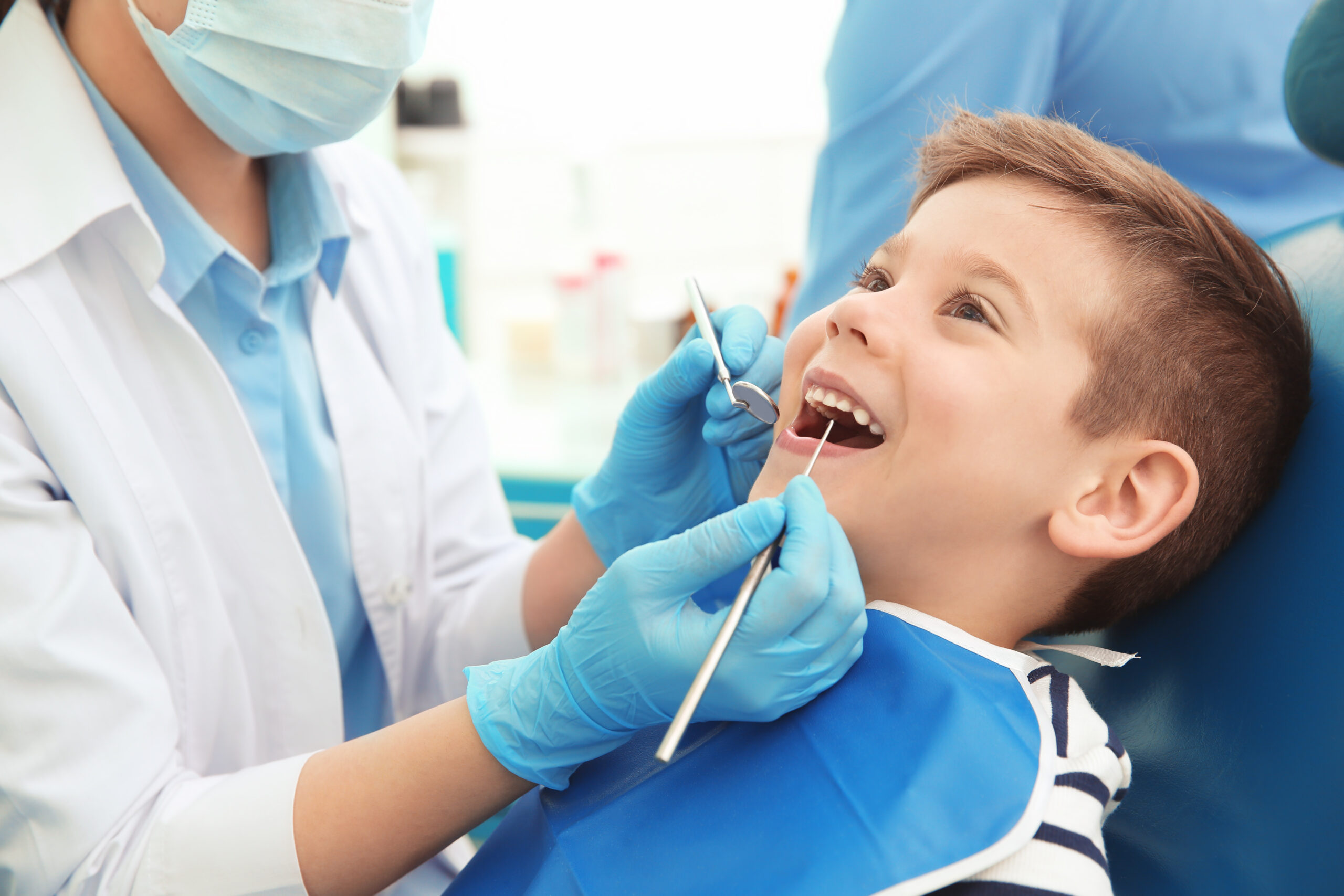
Help children develop positive feelings about dental care by reading books about dentist visits, playing “dentist” games, or visiting dental offices that create welcoming environments for kids. Many Brooklyn pediatric dental practices, including offices throughout Park Slope, Williamsburg, and DUMBO, design their spaces specifically to feel comfortable and fun for children.
Avoid using dental visits as threats or punishments. Instead, frame them as exciting check-ups where friendly professionals help keep teeth strong and healthy.
Common Mistakes Parents Make
Many well-intentioned parents inadvertently create challenges around tooth brushing. Avoid these common pitfalls:
- Being inconsistent with timing or expectations – Establish a routine and stick to it as much as possible
- Making brushing feel rushed or stressful – Allow adequate time and maintain a calm atmosphere
- Using threats or bribes related to dental health – Focus on positive reinforcement rather than fear-based motivation
- Taking over when children resist – Gentle persistence and creativity work better than force
- Neglecting to model good habits – Children follow what they see more than what they’re told
Supporting Your Child’s Oral Health Journey
Remember that learning proper oral hygiene is a process, not a destination. Some days will go smoothly, while others may involve setbacks or resistance. The key is maintaining consistency, patience, and a positive attitude while gradually building your child’s skills and independence.
Consider creating printable resources like brushing checklists or reward charts to help track progress and maintain motivation. Visual aids can be particularly helpful for children who respond well to structure and clear expectations.
Partner with Pediatric Dental Professionals
Establishing good brushing habits at home creates the foundation for excellent oral health, but professional care remains essential for comprehensive dental wellness. Regular check-ups help identify potential issues early and reinforce the importance of daily oral hygiene routines.
At Bitesize Pediatric Dentistry, we understand that every Brooklyn family faces unique challenges when it comes to children’s oral health. Our experienced team works closely with parents to develop personalized strategies that make brushing enjoyable and effective for each child. We provide practical guidance, age-appropriate education, and create positive dental experiences that support your home efforts.
If you’re struggling with your child’s brushing routine or want professional guidance on establishing healthy habits, we’re here to help. Call us to learn how we can support your family’s oral health journey.