When Do You Need to See an Orthodontist? Signs It’s Time for Professional Care
Recognizing when you or your child needs orthodontic care can feel overwhelming, but there are clear signs that make this decision easier. You should see an orthodontist when you notice persistent bite problems, crooked teeth, overcrowding, or jaw alignment issues that affect daily function or appearance. The American Association of Orthodontists recommends children have their first orthodontic evaluation by age 7, while adults can seek treatment at any time when dental problems impact their quality of life.
Understanding these warning signs early can prevent more serious complications down the road. Whether you’re dealing with spacing issues, bite problems, or simply want to achieve a more confident smile, knowing when to seek professional help ensures you get the right treatment at the optimal time.
Common Orthodontic Problems That Signal It’s Time for Treatment
Overbite Issues: When Upper Teeth Overlap Too Much
An overbite occurs when your upper front teeth significantly overlap your lower teeth. While a slight overbite is normal, excessive overlap can cause problems. You might notice difficulty biting into foods, lower teeth hitting the roof of your mouth, or a “gummy” smile appearance.
Signs you need treatment for an overbite include:
- Upper teeth covering more than one-third of lower teeth
- Lower teeth touching the roof of your mouth behind upper teeth
- Jaw pain or clicking sounds
- Difficulty pronouncing certain words
- Excessive wear on lower teeth
At Edison Orthodontics, we often see patients whose overbites have worsened over time, making early intervention crucial for preventing more complex treatment later.
Underbite Treatment: When Lower Teeth Protrude Forward
An underbite presents when lower teeth extend beyond upper teeth, creating a “bulldog” appearance. This condition affects both function and aesthetics, often requiring prompt attention.
Warning signs include:
- Lower teeth sitting in front of upper teeth when biting down
- Difficulty chewing food properly
- Speech impediments, particularly with “s” and “f” sounds
- Facial asymmetry or jaw protrusion
- Frequent biting of the tongue or inside of cheeks
Underbites rarely self-correct and typically worsen without treatment, making early evaluation essential for Edison families.
Crossbite Repair: Misaligned Upper and Lower Teeth
A crossbite happens when upper teeth sit inside lower teeth rather than outside them. This can affect one tooth or multiple teeth on either side of your mouth.
Key indicators include:
- Upper teeth biting inside lower teeth
- Uneven jaw growth or facial asymmetry
- Teeth grinding or clenching
- Gum recession around affected teeth
- Jaw shifting to one side when closing
Crossbites can cause significant jaw development problems in children, particularly in areas like Clara Barton and Menlo Park where we see many growing families seeking early intervention.
Crowded Teeth: When There’s Not Enough Space
Overcrowded teeth occur when your jaw doesn’t have sufficient room for all teeth to align properly. This creates overlapping, twisted, or displaced teeth that are difficult to clean and maintain.
Signs of crowding include:
- Teeth that overlap or twist significantly
- Difficulty flossing between certain teeth
- Food frequently getting stuck between teeth
- One or more teeth sitting noticeably out of line
- Baby teeth falling out much earlier or later than expected
Crowded teeth often worsen over time as wisdom teeth emerge, making early treatment more effective than waiting.
Spacing Issues: Gaps Between Teeth
Spacing problems involve excessive gaps between teeth, which can occur due to missing teeth, small teeth, or large jaw size. While some spacing is normal, significant gaps can affect function and appearance.
Warning signs include:
- Large gaps between front teeth
- Multiple spaces throughout the mouth
- Food trapping in spaces between teeth
- Difficulty with certain speech sounds
- Self-consciousness about smile appearance
Open Bite: When Teeth Don’t Touch Properly
An open bite exists when upper and lower teeth don’t touch when the mouth is closed, leaving an opening. This typically affects the front teeth but can occur in back teeth as well.
Indicators include:
- Visible space between upper and lower teeth when biting down
- Difficulty biting into foods like sandwiches or pizza
- Speech problems, particularly with “s,” “z,” and “th” sounds
- Tongue thrusting habit
- Mouth breathing or tongue positioning between teeth
Age-Specific Timing: When Treatment Works Best
Early Childhood (Ages 7-10): The Golden Window
The American Association of Orthodontists recommends orthodontic evaluation by age 7 because this timing allows detection of developing problems when they’re easier to address. Early intervention can guide jaw growth and create space for permanent teeth, often preventing more extensive treatment later.
Early treatment benefits include:
- Guiding jaw growth in proper direction
- Creating space for crowded permanent teeth
- Reducing risk of trauma to protruding front teeth
- Eliminating harmful oral habits
- Improving self-esteem during crucial developmental years
Pre-Teen Years (Ages 11-14): Optimal Treatment Time
Most orthodontic treatment begins during pre-teen years when permanent teeth have emerged but jaw growth continues. This timing offers the best combination of cooperation and biological advantage.
Advantages during this period:
- Faster tooth movement due to ongoing growth
- Better long-term stability
- Improved cooperation compared to younger children
- Social acceptance of braces among peers
- Completion before high school graduation
Teen and Adult Treatment: It’s Never Too Late
Adults represent nearly 25% of orthodontic patients today, proving that effective treatment isn’t limited by age. While adult treatment may take longer, modern techniques make it more comfortable and discreet than ever.
Adult treatment considerations:
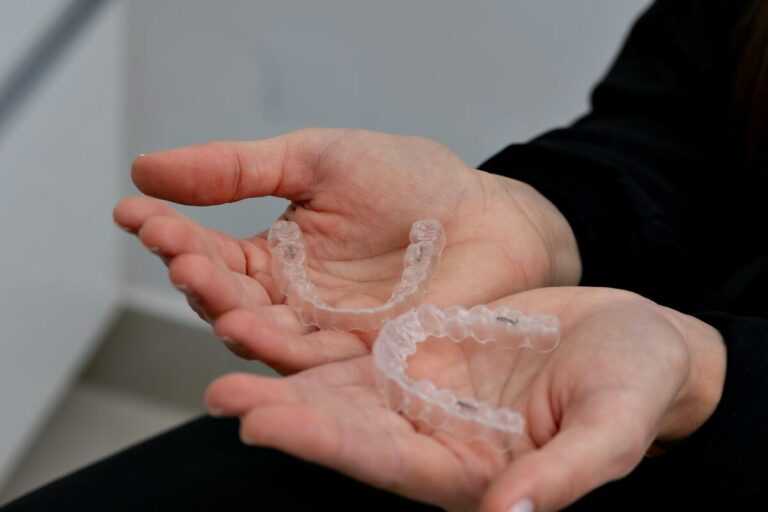
- Clear aligners like Invisalign offer discrete options
- Treatment addresses both functional and aesthetic concerns
- Improved oral health reduces risk of gum disease
- Enhanced confidence benefits career and social interactions
- Modern technology minimizes treatment time
Self-Assessment Guide: Warning Signs to Watch For
Functional Problems That Need Attention
Difficulty chewing or biting food properly often indicates bite problems requiring professional evaluation. Pay attention to:
- Avoiding certain foods due to discomfort
- Chewing primarily on one side
- Jaw pain or clicking sounds
- Frequent cheek or tongue biting
- Headaches related to jaw tension
Speech and Communication Issues
Orthodontic problems frequently affect speech clarity. Notice if you or your child struggles with specific sounds or experiences:
- Lisping or difficulty with “s” sounds
- Trouble pronouncing “th” or “f” sounds
- Mumbled or unclear speech
- Excessive saliva production while speaking
- Self-consciousness about speaking in public
Aesthetic Concerns That Impact Confidence
While not always medically necessary, aesthetic issues can significantly affect self-esteem and social interaction. Consider treatment when:
- Hiding smile in photos or social situations
- Avoiding laughing or smiling freely
- Feeling self-conscious about teeth appearance
- Experiencing teasing or comments from others
- Noticing increasing dissatisfaction with smile
Health Consequences of Delaying Treatment
Oral Health Complications
Crooked or crowded teeth are harder to clean effectively, leading to increased risk of:
- Tooth decay in hard-to-reach areas
- Gum disease and inflammation
- Bad breath from trapped food particles
- Premature tooth loss
- Need for extensive restorative work
Jaw and TMJ Problems
Bite problems can cause temporomandibular joint (TMJ) disorders, resulting in:
- Chronic jaw pain and stiffness
- Frequent headaches or migraines
- Difficulty opening mouth fully
- Jaw clicking or popping sounds
- Neck and shoulder tension
According to the National Institute of Dental and Craniofacial Research, TMJ disorders affect millions of Americans and often stem from untreated bite problems.
Digestive and Overall Health Impact
Properly aligned teeth are essential for adequate chewing, which affects:
- Proper food breakdown and digestion
- Nutritional absorption
- Gastrointestinal health
- Overall energy and wellness
- Long-term dietary choices and health outcomes
Treatment Options Available in Edison, NJ
Traditional Metal Braces
Traditional braces remain the most effective treatment for complex orthodontic problems. Modern metal braces are smaller and more comfortable than previous versions, offering:
- Precise control for complicated movements
- Durability for active lifestyles
- Cost-effectiveness for comprehensive treatment
- Reliable results for severe cases
- Customization with colored elastics
Clear Aligners and Invisalign
Clear aligners provide discrete treatment for many orthodontic issues, particularly popular among Edison professionals and teens. Benefits include:
- Nearly invisible appearance
- Removable for eating and cleaning
- More comfortable than traditional braces
- Fewer office visits required
- Advanced 3D planning technology
Specialized Treatment Approaches
Comprehensive orthodontic evaluation determines the best treatment approach for each individual situation. Options may include:
- Functional appliances for jaw growth guidance
- Space maintainers for premature tooth loss
- Palatal expanders for narrow arches
- Surgical orthodontics for severe cases
- Retention protocols for long-term stability
Financial Considerations and Accessibility
Insurance Coverage and Payment Options
Most orthodontic practices in Middlesex County, including areas like Woodbridge and Metuchen, offer flexible payment solutions. Treatment cost varies based on complexity and duration, but options include:
- Dental insurance coverage (typically 50% of treatment)
- Flexible payment plans with no interest
- Health Savings Account (HSA) eligibility
- Medicaid coverage for qualified cases
- Family discounts for multiple patients
Emergency Orthodontic Situations
Some orthodontic problems require immediate attention to prevent permanent damage:
- Severe trauma affecting teeth or jaw alignment
- Impacted teeth causing pain or damage
- Rapidly worsening bite problems
- Appliance breakage causing injury
- Significant pain or swelling
Taking the Next Step: Your Orthodontic Journey
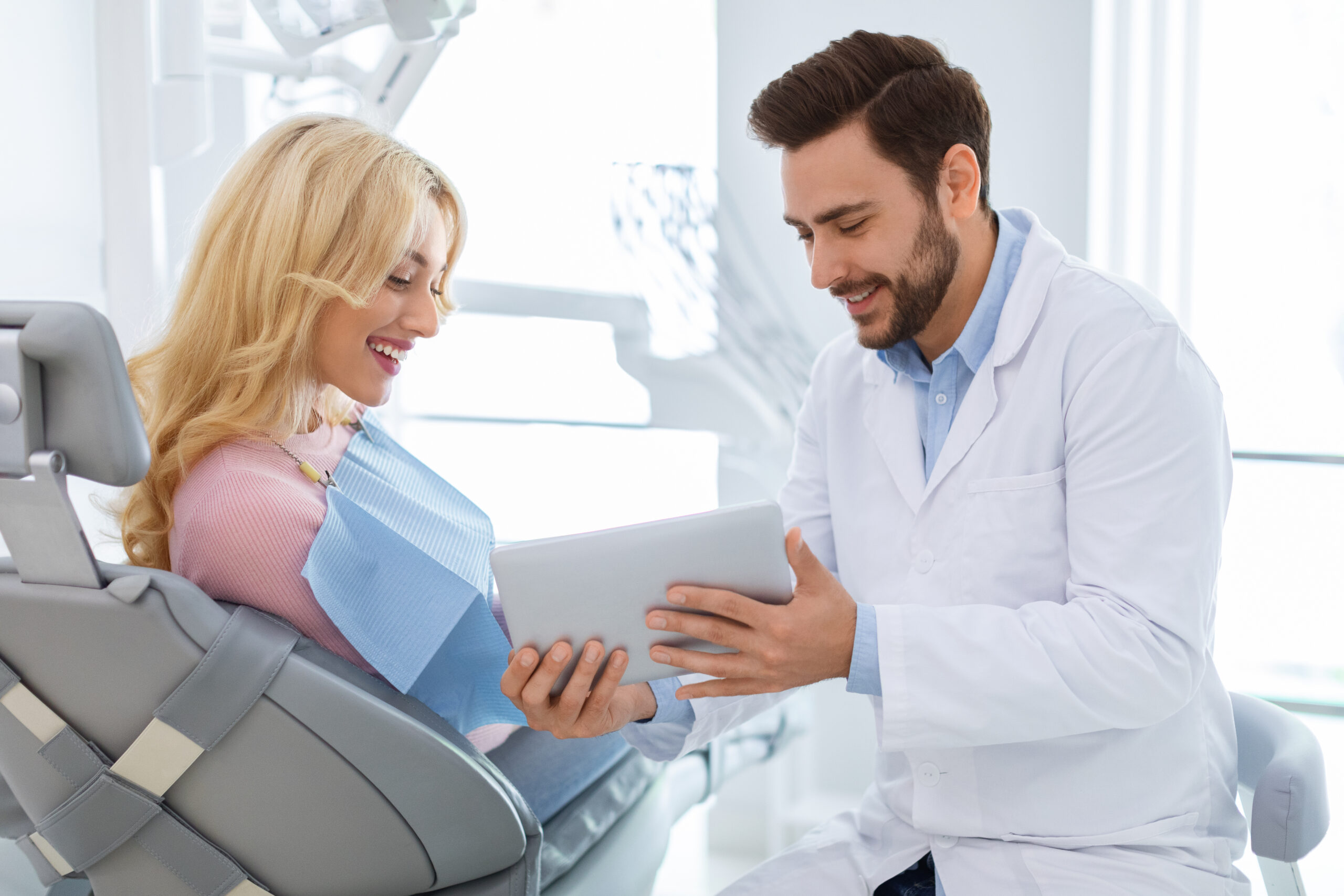
What to Expect During Initial Consultation
Your first orthodontic visit typically includes:
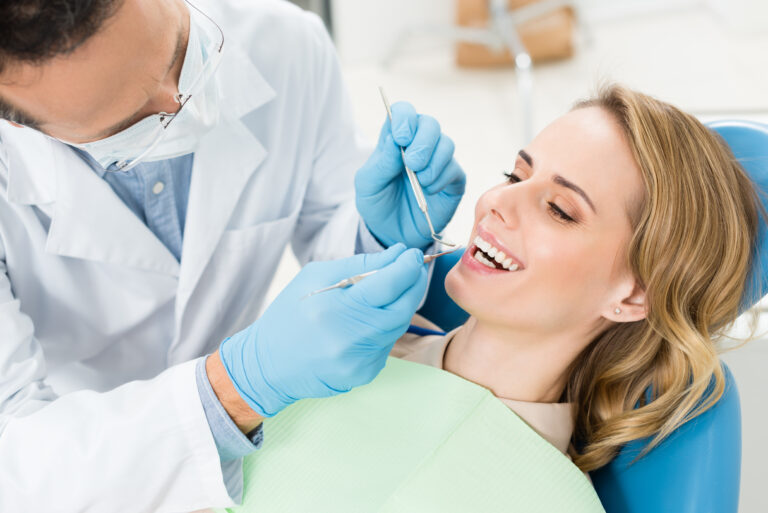
- Comprehensive examination of teeth, jaws, and bite
- Digital X-rays and photographs
- Discussion of treatment goals and timeline
- Review of payment options and insurance coverage
- Opportunity to ask questions and address concerns
Making an Informed Decision
The decision to begin orthodontic treatment affects your entire family, so consider:
- Severity of current problems vs. potential worsening
- Impact on daily activities and self-confidence
- Treatment timing relative to school or work schedules
- Financial planning and insurance coordination
- Long-term benefits for oral health and quality of life
Start Your Orthodontic Journey Today
Recognizing when you or your child needs orthodontic care is the first step toward achieving a healthier, more confident smile. From addressing functional problems like overbites and crossbites to improving aesthetics and self-esteem, modern orthodontic treatment offers solutions for patients of all ages throughout Edison and surrounding Middlesex County communities.
At Edison Orthodontics, our board-certified specialists provide personalized treatment plans using state-of-the-art technology in a comfortable, family-friendly environment. We understand that every patient’s needs are unique, which is why we offer comprehensive evaluations and flexible financing options to make quality orthodontic care accessible to everyone. Whether you’re dealing with crowded teeth, bite problems, or simply want to enhance your smile, our experienced team is here to guide you through every step of your orthodontic journey. Call us today to schedule your consultation and discover how orthodontic treatment can transform your smile and your life.